You’ve made the smart decision to invest in solar panels, watching your electricity bills shrink and your home become more energy independent. But a nagging question might linger in the back of your mind: what happens if solar panels stop working? It’s a common and completely understandable concern for any homeowner. Understanding the answers can provide peace of mind and help you protect your long-term savings and environmental benefits.
Understanding What Happens If Solar Panels Stop Working
First, it’s important to know that a complete, sudden failure of an entire solar panel system is extremely rare. Modern systems are built to be robust and reliable for decades. When we talk about panels “stopping working,” it usually refers to a partial drop in performance or a single component issue, not a total blackout.
Your home will not suddenly lose power if your panels have an issue. You remain connected to the traditional utility grid, which acts as a backup power source. This means your lights and appliances will continue to operate normally. The immediate effect is simply that your system stops offsetting your electricity consumption, so your utility bill may increase until the issue is resolved.
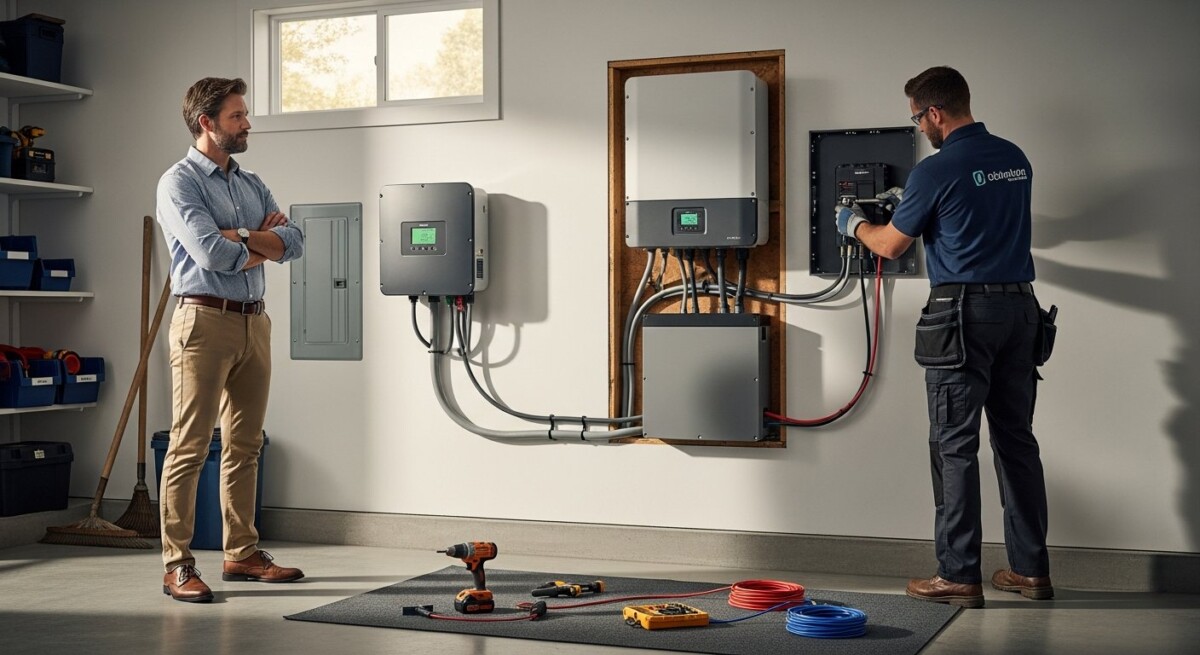
Most problems are not with the panels themselves but with other system components like inverters, wiring, or monitoring equipment. These parts are easier and less costly to repair or replace. Understanding this distinction is key to feeling confident about your solar investment.
Why Solar Energy Is Becoming More Popular
Homeowners are turning to solar power in record numbers, driven by a powerful combination of financial and environmental incentives. Consistently rising electricity prices make the predictable cost of solar-generated power highly attractive. Once your system is paid for, the energy it produces is essentially free for the remainder of its 25+ year lifespan.
Beyond the direct savings on monthly bills, there is a strong desire for energy independence and reducing one’s carbon footprint. Solar power allows you to generate clean electricity right on your roof, lessening reliance on fossil fuels. Combined with available government incentives and rebates that significantly lower the upfront cost, solar presents a compelling value proposition for the modern homeowner.
If you are considering solar power for your home, comparing installation quotes can help you understand your options. Request a free solar quote or call to learn more.
Common Questions Homeowners Have About Solar
It’s normal to have questions before making a significant home upgrade like solar. Many wonder about the upfront investment and how long it will take to see a return. Others are concerned about their roof’s suitability or what maintenance will be required over the years.
A professional installer can address all these concerns with a detailed home assessment. They can calculate your potential savings, explain how solar works with your specific roof, and outline the minimal maintenance required. For a deeper dive into the fundamentals, our article Unraveling the Mystery: How Solar Panels Work breaks down the technology in simple terms.
- How much will I really save on my electricity bills?
- Is my roof suitable for solar panels?
- What happens during cloudy days or at night?
- How long will the installation process take?
- What kind of warranty and maintenance is involved?
- Will solar panels increase my property value?
How Solar Panel Installation Works
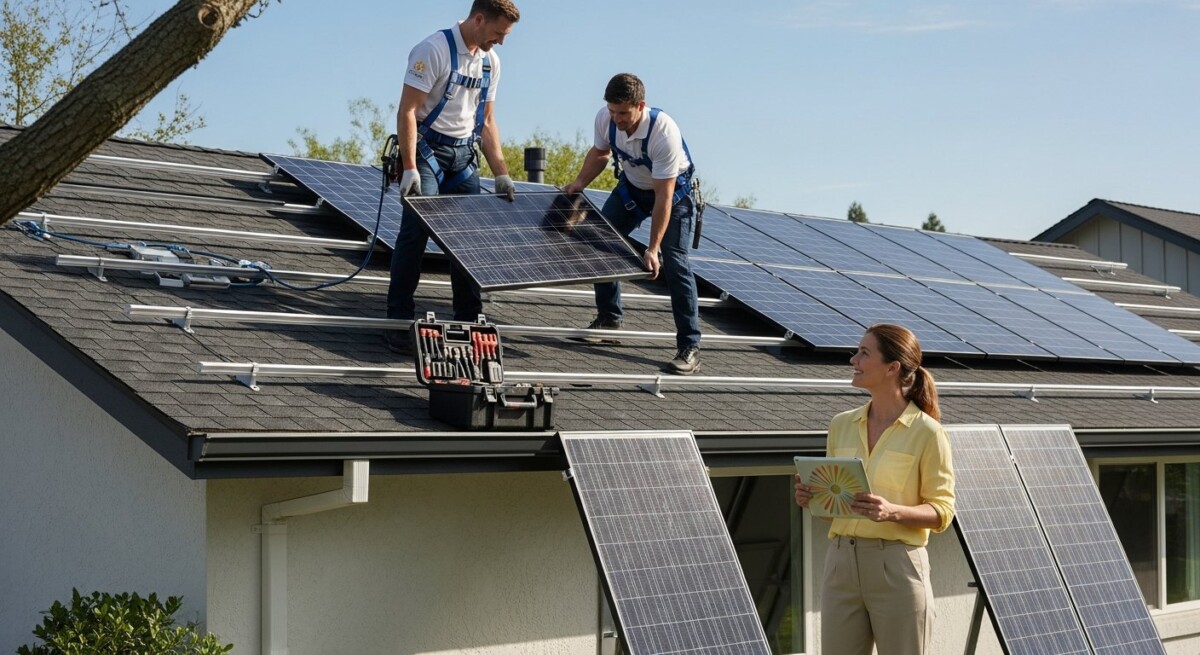
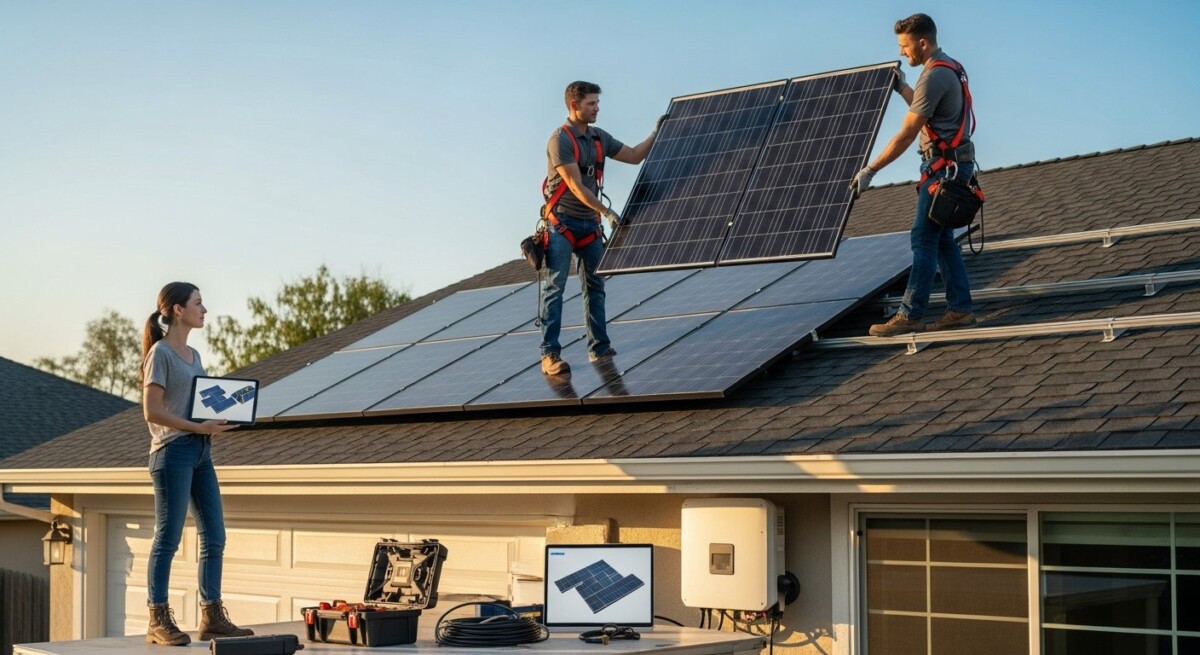
The journey to solar energy is a structured process handled by your chosen installer. It begins with a detailed consultation and energy assessment to understand your consumption patterns and goals. This data is used to design a system tailored to maximize your roof’s potential and your financial savings.
The installer then manages all the necessary permits and approvals from your local authorities and utility company. Once approved, the physical installation typically takes just a few days. Finally, the system is connected, inspected, and activated, starting your journey to lower bills.
- Home Energy Assessment & Consultation
- Custom System Design & Proposal
- Permitting & Utility Approvals
- Physical Installation of Panels and Inverter
- Final Inspection & System Activation
Speaking with experienced installers can help you determine the best solar solution for your home. Compare solar quotes here or call to explore available options.
Signs Your Home May Be Ideal for Solar
While many homes are excellent candidates for solar, some characteristics make the investment particularly advantageous. The most obvious is a roof with strong, unshaded exposure to the south, east, or west. This ensures your panels capture maximum sunlight throughout the day.
If you currently have high monthly electricity bills, solar can provide substantial relief. Homeowners who plan to stay in their homes for the long term will see the greatest financial return, as they can enjoy decades of free power after the system pays for itself.
- Your roof receives direct sunlight for most of the day.
- You have high or rising monthly electricity costs.
- Your roof is in good condition and has ample space.
- You plan to own your home for 5-10+ years.
- You are interested in reducing your environmental impact.
- Your local area offers strong solar incentives or net metering.
What Affects Solar Installation Costs
The total cost of a solar system is influenced by several key factors. The size of the system, measured in kilowatts (kW), is the primary driver,a larger system to offset more usage will cost more. The quality and efficiency of the equipment you choose, such as premium panels or inverters, also impact the price.
Installation complexity, like a steep or multi-faceted roof, can add to labor costs. Crucially, federal tax credits, state rebates, and local utility incentives can dramatically reduce your net cost. A reputable installer will provide a transparent breakdown of all costs and savings.
The cost of solar installation varies depending on your home and energy needs. Request personalized solar quotes or call to see what options are available.
Tips for Choosing a Reliable Solar Installer
Selecting the right installer is one of the most important steps in your solar journey. A trustworthy company ensures your system is designed correctly, installed safely, and performs optimally for decades. They are your partner in navigating incentives and providing support if any issues arise.
Always check for proper licensing and insurance. Review their experience and ask for references from past customers in your area. A strong warranty covering both equipment and workmanship is a sign of a company that stands behind its work. For a broader look at the benefits and considerations, our comprehensive guide to solar panels offers valuable insights.
- Verify licenses, insurance, and certifications (like NABCEP).
- Choose an installer with several years of local experience.
- Read customer reviews and ask for local references.
- Understand the full scope of product and performance warranties.
- Get detailed, written proposals from multiple companies.
- Ensure they handle all permitting and interconnection paperwork.
Long-Term Benefits of Installing Solar Panels
The long-term advantages of solar energy extend far beyond the initial installation. The most immediate benefit is dramatic savings on your electricity bills, often eliminating them entirely. Over 25+ years, these savings can amount to tens of thousands of dollars, providing excellent financial security against volatile energy prices.
Solar panels also increase your home’s market value and appeal to future buyers. You gain a measurable degree of energy independence and make a significant positive impact on the environment by reducing your household’s carbon emissions. It’s an investment that pays dividends for your wallet, your home, and the planet.
What are the most common reasons solar panels might underperform?
The most common issue is shading from new tree growth or debris like leaves and dirt on the panels. Inverter failure is another possibility, as it’s the component that converts the solar power for home use. Physical damage from severe weather or aging wiring can also cause performance drops, but these are less frequent.
Are solar panels still worth it if they might need repairs?
Absolutely. The long-term savings on electricity bills far outweigh the potential cost of occasional repairs. Most systems come with strong warranties,often 25 years on panels and 10+ years on inverters,that cover defects and significant performance loss. The reliability of modern solar technology makes it a very sound investment.
How can I tell if my solar panels are not working properly?
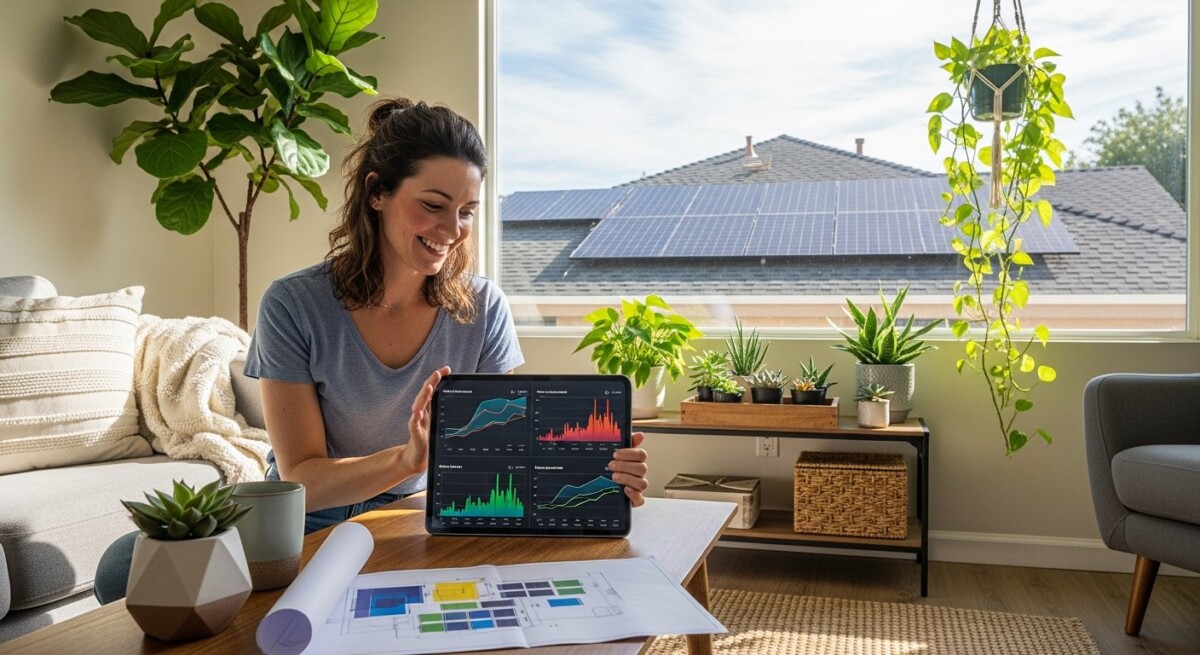
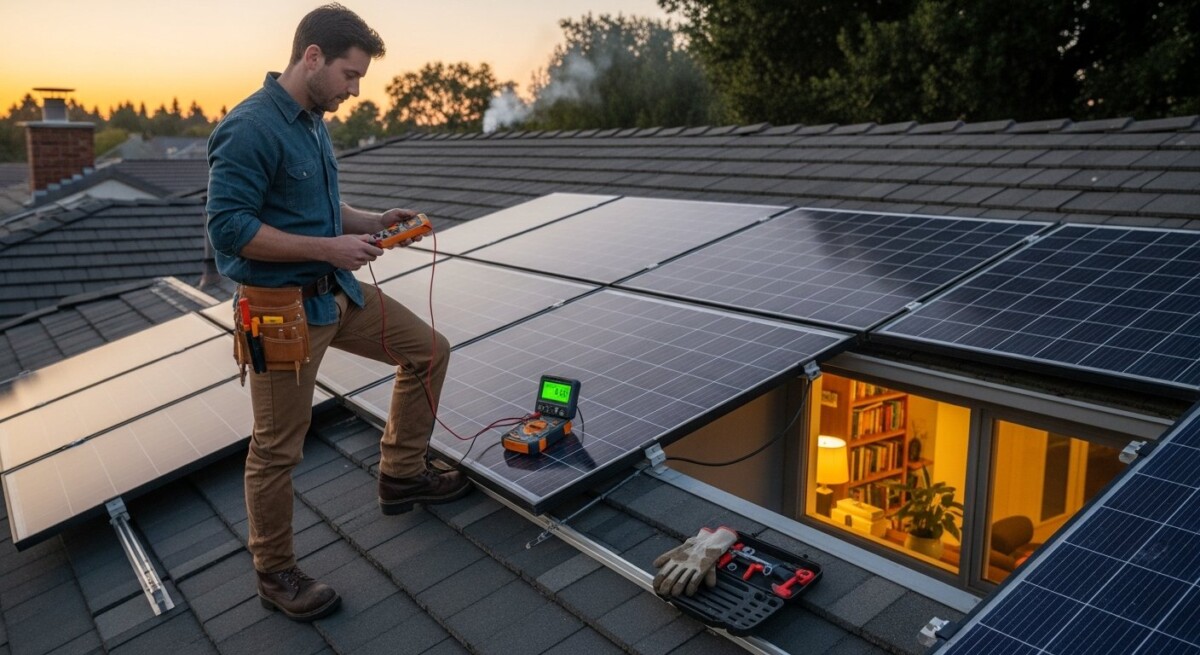
Most modern systems include monitoring software that shows your energy production in real-time. A sudden, sustained drop in output shown on your monitor is a clear sign. You can also check your inverter for any error lights or simply compare your current electricity bills to past bills when the system was new.
Who do I call if my solar panels stop working?
Your first call should always be to the company that installed your system. They are most familiar with your specific setup and are typically responsible for the workmanship warranty. If they are no longer in business, contact the manufacturer of your panels or inverter for warranty service, or hire a reputable local solar technician.
Do solar panels require a lot of maintenance?
Solar panels require very little maintenance. Occasional cleaning with water to remove dust, pollen, or bird droppings is usually sufficient. You should also visually inspect them for debris after major storms. Having a professional perform a system check every few years can ensure everything is operating at peak efficiency.
Can I fix my solar panels myself if they break?
It is strongly discouraged to attempt DIY repairs on your solar system. Working on a roof and handling electrical components carries serious risk of injury or further damage. Repairs should always be handled by a licensed and insured solar professional to ensure safety, maintain your system warranties, and guarantee the repair is done correctly.
Understanding what happens if solar panels stop working demystifies solar ownership and highlights its reliability. While issues can occur, they are manageable and should not overshadow the profound benefits of energy savings, independence, and environmental stewardship. The best way to ensure a worry-free experience is to start with a qualified, professional installer. By comparing detailed quotes from trusted local companies, you can make an informed decision that will power your home,and your savings,for decades to come.