If you’ve opened your electricity bill recently and felt a jolt of surprise, you’re not alone. Rising energy costs are pushing more homeowners to explore solar power as a way to take control of their expenses. Understanding the solar panel cost per watt is the first, most practical step toward reducing your monthly bills and becoming less dependent on the unpredictable grid.
Understanding Solar Panel Cost Per Watt Explained
The solar panel cost per watt is the fundamental metric used to compare the price and value of different solar energy systems. It’s a simple calculation that helps you understand what you’re paying for in terms of power-generating capacity. Essentially, it breaks down the total cost of your system into a standardized unit, making it easier to compare quotes from different installers.
To find it, you divide the total gross cost of your solar panel system (before incentives) by its size in watts (W) or kilowatts (kW). For example, a 6 kW system costing $18,000 would have a cost per watt of $3.00 ($18,000 / 6,000 watts). This figure gives you a clear, apples-to-apples comparison, moving beyond the intimidating total price tag.
What Does “Watt” Mean in This Context?
A watt is a unit of power, and in solar, it refers to the panel’s capacity to produce electricity under standard test conditions. The cost per watt encompasses everything: the panels, inverters, mounting hardware, labor, permits, and the installer’s profit. A lower cost per watt generally indicates better value, but it should always be weighed against the quality of equipment and the installer’s reputation.
Why Solar Energy Is Becoming More Popular
Homeowners are turning to solar at a record pace, driven by a powerful combination of financial and environmental motivations. The steady climb of traditional electricity rates creates a compelling economic case, as solar offers a predictable, locked-in energy cost for decades. This shift represents a move from being a passive utility customer to an active energy producer.
Beyond the wallet, there’s a growing desire to reduce one’s carbon footprint and contribute to a cleaner environment. Solar power provides a direct, tangible way to make a positive impact. Furthermore, with improved technology and attractive government incentives, the initial investment is more accessible than ever, making long-term savings a reality for many.
If you are considering solar power for your home, comparing installation quotes can help you understand your options. Request a free solar quote or call to learn more.
Common Questions Homeowners Have About Solar
It’s normal to have questions when considering a significant home upgrade like solar. Many wonder if their roof is suitable, how long the system will last, and what happens on cloudy days. These concerns are valid, and a reputable installer will address each one thoroughly during your consultation.
Understanding your potential electricity production per day is a key part of this process. This figure helps set realistic expectations for your energy savings and system payback period. You can learn more about how this is calculated in our detailed guide on electricity production per day by solar panels.
- How much will a solar system really cost after rebates and tax credits?
- Is my roof strong enough and does it get enough sun?
- How long will the installation process take?
- What kind of maintenance will the system require?
- Will solar panels increase my property value?
- What happens if I sell my house?
How Solar Panel Installation Works
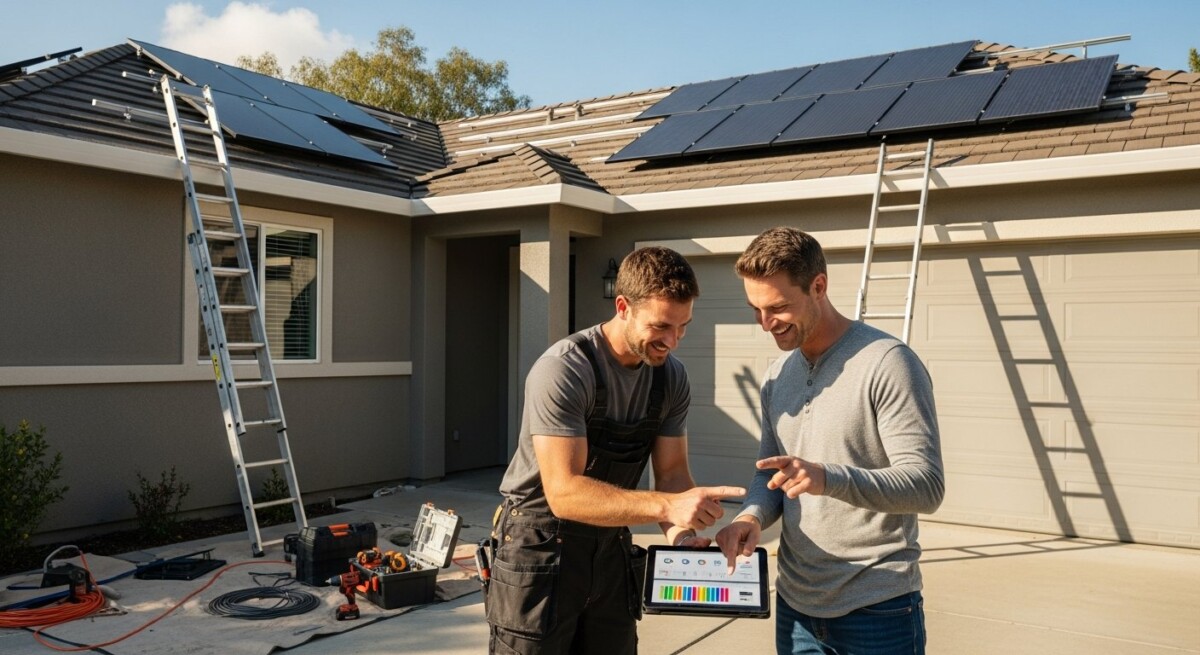
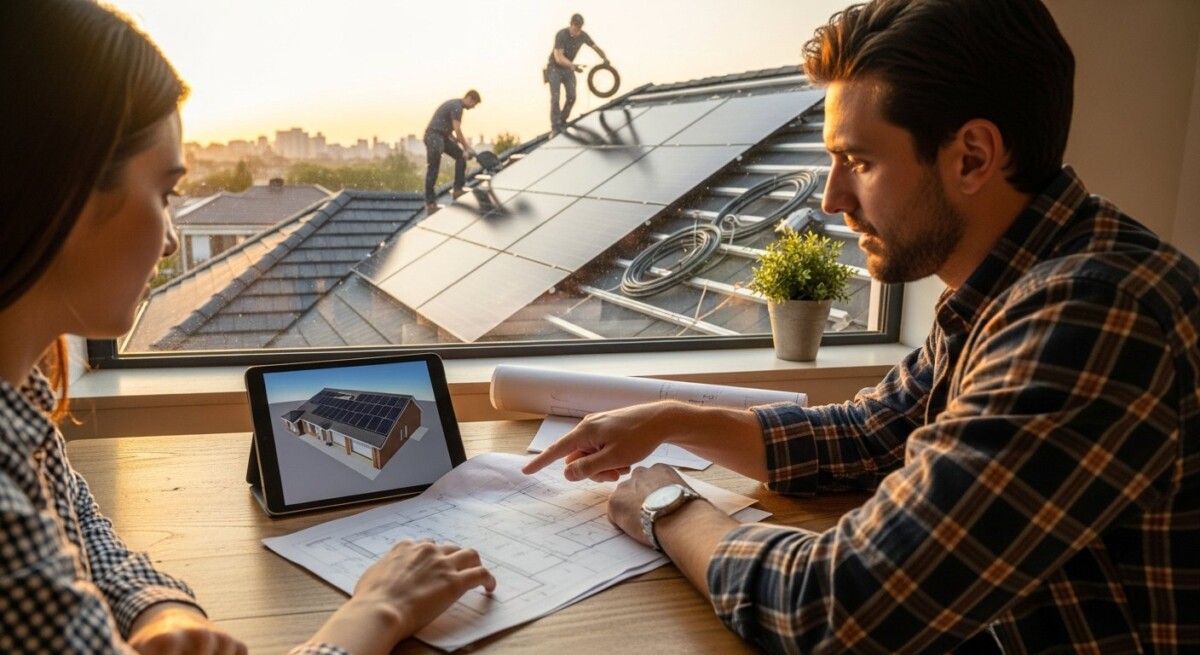
The journey to solar power is a structured process managed by your installer from start to finish. It begins with a detailed assessment of your home’s energy usage and physical characteristics. This information is used to design a system tailored to maximize your savings and fit your roof perfectly.
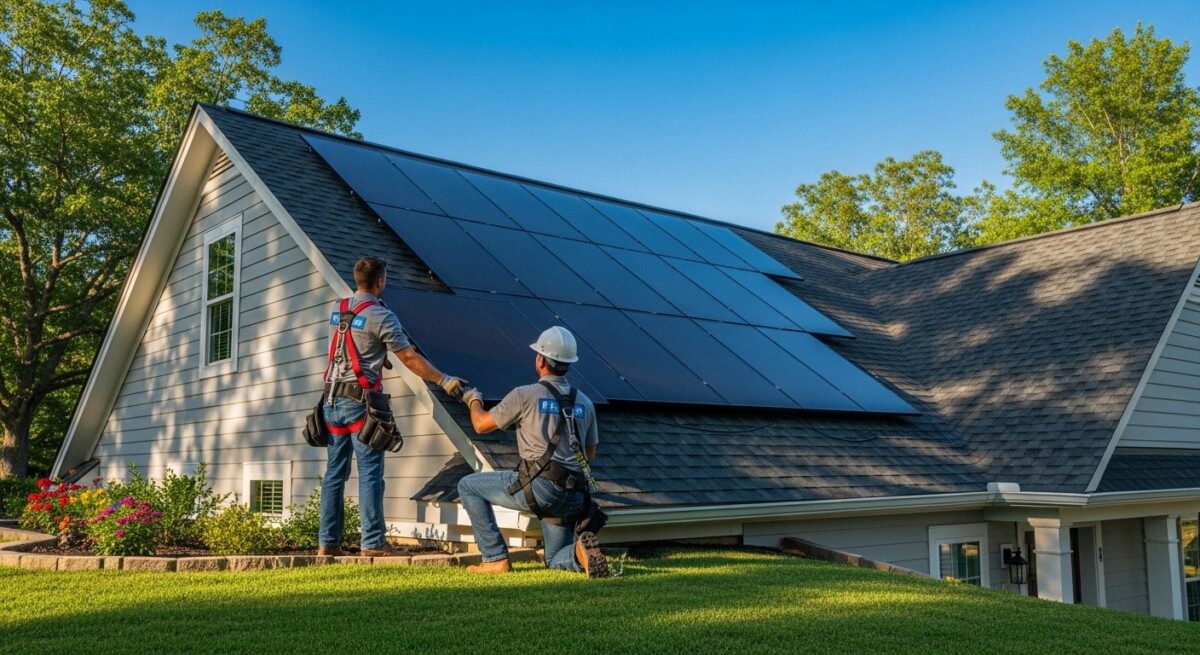
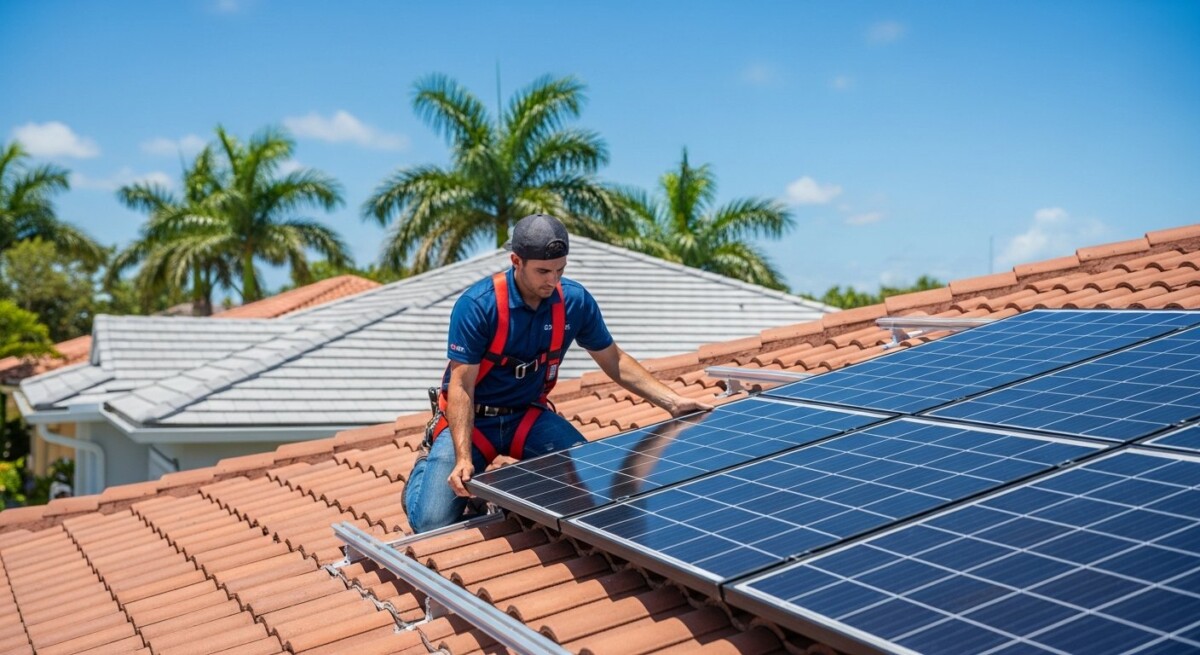
Your installer then handles all the necessary permits and paperwork with your local authorities and utility company. Once approved, the physical installation typically takes just a few days. Finally, after a final inspection and connection approval from the utility, your system is activated, and you start generating clean power.
- Home Energy Assessment and Consultation
- Custom System Design and Proposal
- Permitting and Utility Approvals
- Physical Installation of Equipment
- Final Inspection and System Activation
Speaking with experienced installers can help you determine the best solar solution for your home. Compare solar quotes here or call to explore available options.
Signs Your Home May Be Ideal for Solar
While many homes can benefit from solar, some characteristics make the investment particularly advantageous. The most obvious factor is your roof’s exposure to direct, unobstructed sunlight for most of the day. A south-facing roof in the northern hemisphere is typically ideal, but east and west faces can also work very well.
Financially, if you have high monthly electricity bills, solar presents a significant opportunity for savings. The higher your current rate, the faster your solar investment pays for itself. Homeowners who plan to stay in their homes for the long term are also perfect candidates, as they can reap the full decades of financial benefits.
- Your roof receives strong, direct sunlight for 5+ hours daily.
- You have high or rising monthly electricity costs.
- Your roof is in good condition and has ample, unshaded space.
- You plan to own your home for 5-10+ years.
- You live in an area with strong net metering policies.
- You are motivated by energy independence and environmental impact.
What Affects Solar Installation Costs
The final cost per watt of your system is influenced by several key factors. The size of the system you need is the primary driver,larger systems often have a lower cost per watt due to economies of scale. The quality and efficiency of the equipment you choose, such as premium panels versus standard ones, also plays a major role.
Installation complexity matters too; a simple, ground-mounted system on flat land is different from a complex roof with multiple angles. Local market factors, like labor costs and competition between installers, influence price. Critically, available government incentives and rebates directly reduce your net cost, making the investment more affordable.
The cost of solar installation varies depending on your home and energy needs. Request personalized solar quotes or call to see what options are available.
Tips for Choosing a Reliable Solar Installer
Selecting the right installer is as important as choosing the right equipment. A trustworthy company will be your guide and partner for the life of your system. They should have a proven track record, proper licensing, and insurance to protect your home during the installation.
Always ask for and check references from past customers in your area. Pay close attention to the warranties offered,not just on the panels, but on the installer’s workmanship. A strong warranty shows the company stands behind its work and expects your system to perform for decades.
- Verify licenses, insurance, and certifications (like NABCEP).
- Choose an installer with several years of local experience.
- Read customer reviews and ask for references.
- Understand the full warranty coverage for equipment and labor.
- Get detailed, written proposals from at least three companies.
- Ensure they handle all permitting and interconnection paperwork.
Long-Term Benefits of Installing Solar Panels
The most immediate benefit of going solar is the dramatic reduction in your monthly electricity bill. Over the 25+ year lifespan of a system, these savings can amount to tens of thousands of dollars, effectively paying for the system many times over. This financial predictability shields you from future utility rate hikes.
Solar panels also increase your home’s market value and appeal to eco-conscious buyers. You gain a measure of energy independence, reducing your reliance on the traditional grid. Perhaps most importantly, you make a lasting positive impact on the environment by reducing your household’s carbon emissions every single day.
How long do solar panels last?
Most high-quality solar panels come with a performance warranty guaranteeing they will still produce at least 80-90% of their original power after 25 years. While their efficiency very slowly degrades over time, they can continue generating electricity well beyond that warranty period. The inverters may need replacement once during the system’s life.
What is the federal solar tax credit?
The federal Investment Tax Credit (ITC) allows you to deduct a significant percentage of your solar system’s cost from your federal income taxes. This incentive directly reduces your tax liability, lowering the net price of your installation. It’s crucial to consult with a tax professional to understand how you can claim this credit.
Do solar panels work on cloudy days or in winter?
Yes, solar panels do produce electricity on cloudy days, though at a reduced output. They generate power from daylight, not just direct sunlight. Modern panels are quite efficient in diffuse light. Snow can temporarily reduce output, but it usually melts quickly on dark panels, and a light covering can actually help clean them.
What is net metering?
Net metering is a billing arrangement with your utility company. When your solar panels produce more electricity than your home uses, the excess is sent to the grid, and your meter runs backward, giving you credit. At night or on cloudy days, you draw power from the grid, using up those credits. It’s like using the grid as a giant battery.
Can I install solar panels myself?
While DIY solar kits exist, professional installation is highly recommended for grid-tied residential systems. The process involves complex electrical work, securing permits, passing inspections, and ensuring the system is safely integrated with your home and the utility grid. Mistakes can be costly, dangerous, and may void equipment warranties.
How do I know what size system I need?
A professional installer will analyze your past 12 months of electricity bills to determine your average energy consumption. They then design a system to offset a significant portion (often 80-100%) of that usage, considering your roof’s size, orientation, and local sunlight patterns. The goal is to maximize savings within your budget and space constraints.
What are the different types of solar panels?
The main types are monocrystalline, polycrystalline, and thin-film. Monocrystalline panels, often recognized by their dark black color and high efficiency, are the most common for residential roofs. For a deeper look at a specific high-output option, you can explore the details of a 410 watt solar panel’s power and efficiency.
Will solar panels damage my roof?
A reputable installer will not damage your roof. In fact, the mounting system is designed to protect your roof by sealing penetration points. Installation often involves a thorough roof inspection first. If your roof is near the end of its life, it’s usually advised to replace it before installing solar to avoid costly removal and reinstallation later.
Understanding the solar panel cost per watt empowers you to make an informed decision about one of the best home investments available today. It’s the key to unlocking long-term savings, energy security, and environmental stewardship. The next step is to gather personalized quotes from trusted local installers to see the specific numbers for your home.