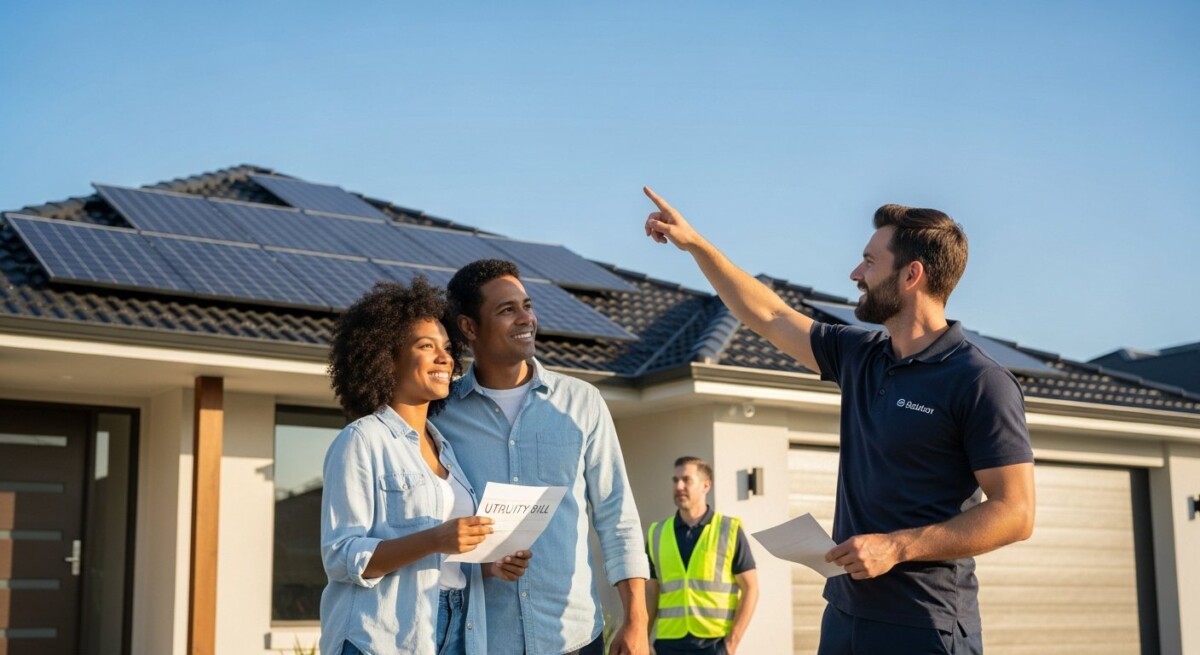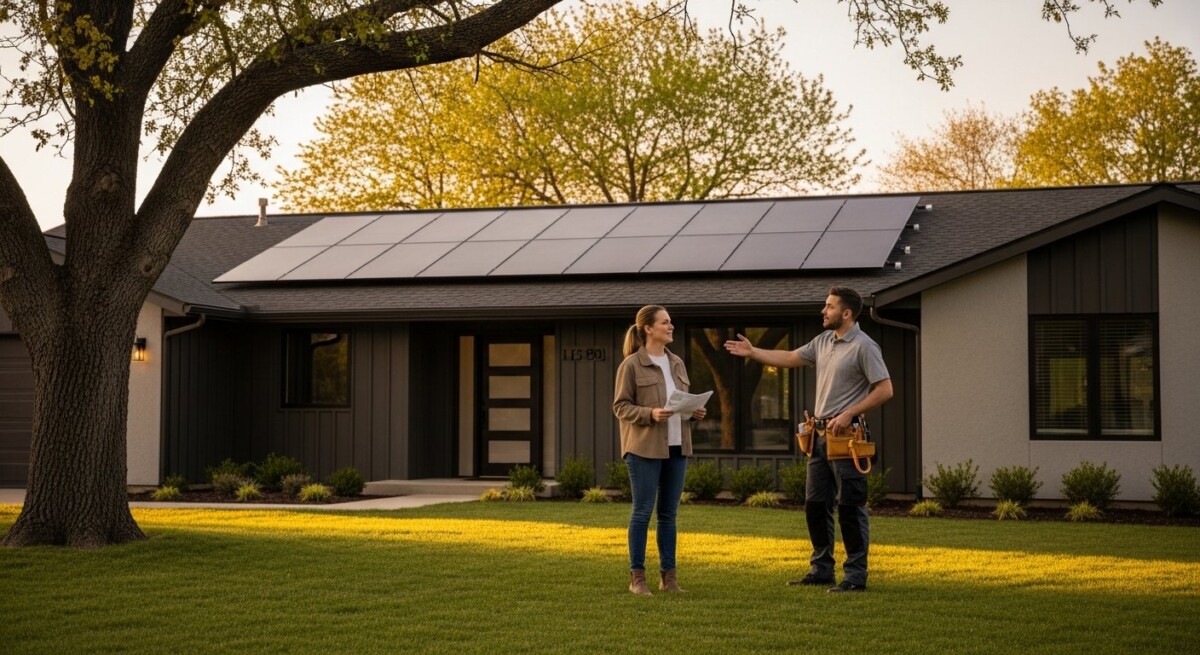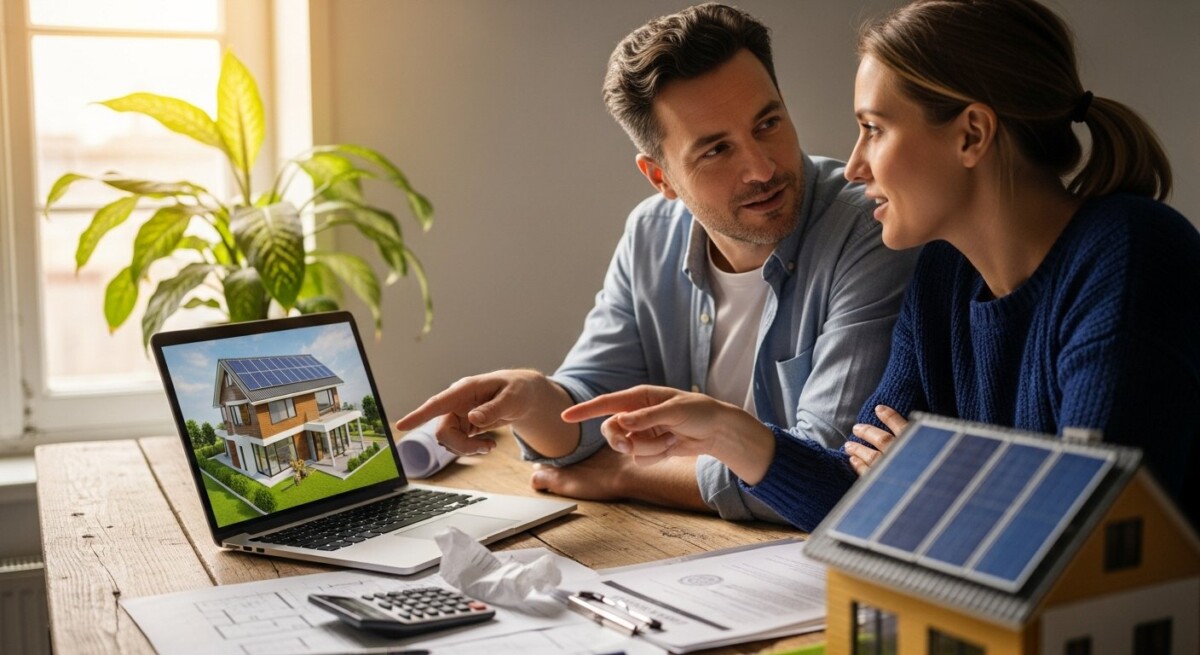
You’ve seen your electricity bill climb every year, and you’re tired of being at the mercy of the utility company. The idea of generating your own clean power and slashing those monthly costs is incredibly appealing. But then a worrying question pops into your head: can you install solar with bad credit? The good news is that a less-than-perfect credit score doesn’t have to be a roadblock to energy independence and long-term savings.
Understanding Solar Financing With Bad Credit
When we talk about installing solar with bad credit, we’re focusing on the financing options available. A solar panel system is a significant investment, and most homeowners use a loan, lease, or power purchase agreement (PPA) to afford it. Your credit score is a key factor lenders use to assess risk.
A lower score might mean higher interest rates or the need for a co-signer on a traditional loan. However, the solar industry has developed several pathways specifically to help more people access this technology. Understanding these options is the first step toward making solar a reality for your home.
Why Solar Energy Is Becoming More Popular
Homeowners are turning to solar power for powerful, practical reasons. First and foremost, it provides a direct defense against ever-rising electricity prices. Once your system is installed, you lock in a predictable cost for your energy, often far lower than your current utility rate.
Beyond the financials, there’s a strong desire for energy independence and reducing one’s environmental footprint. With federal incentives like the Investment Tax Credit (ITC) still available, which can reduce your system cost by 30%, the long-term savings and benefits make solar an increasingly smart choice for budget-conscious and eco-aware families.
If you are considering solar power for your home, comparing installation quotes can help you understand your options. Request a free solar quote or call to learn more.
Common Questions Homeowners Have About Solar
It’s normal to have concerns before making a big home improvement decision. Many people worry about the upfront cost and whether their roof is suitable. Others question if solar will truly perform well in their climate or if it will increase their property value.
Professional installers are experts at answering these questions during a consultation. They can assess your specific situation and provide clear, trustworthy data. Here are some of the most common concerns they address:
- Will solar panels work if my roof doesn’t face south?
- What happens to my solar panels if I sell my house?
- How long will the installation process take?
- Do I need to replace my roof before installing solar?
- What maintenance do solar panels require?
- How does net metering work with my utility company?
How Solar Panel Installation Works
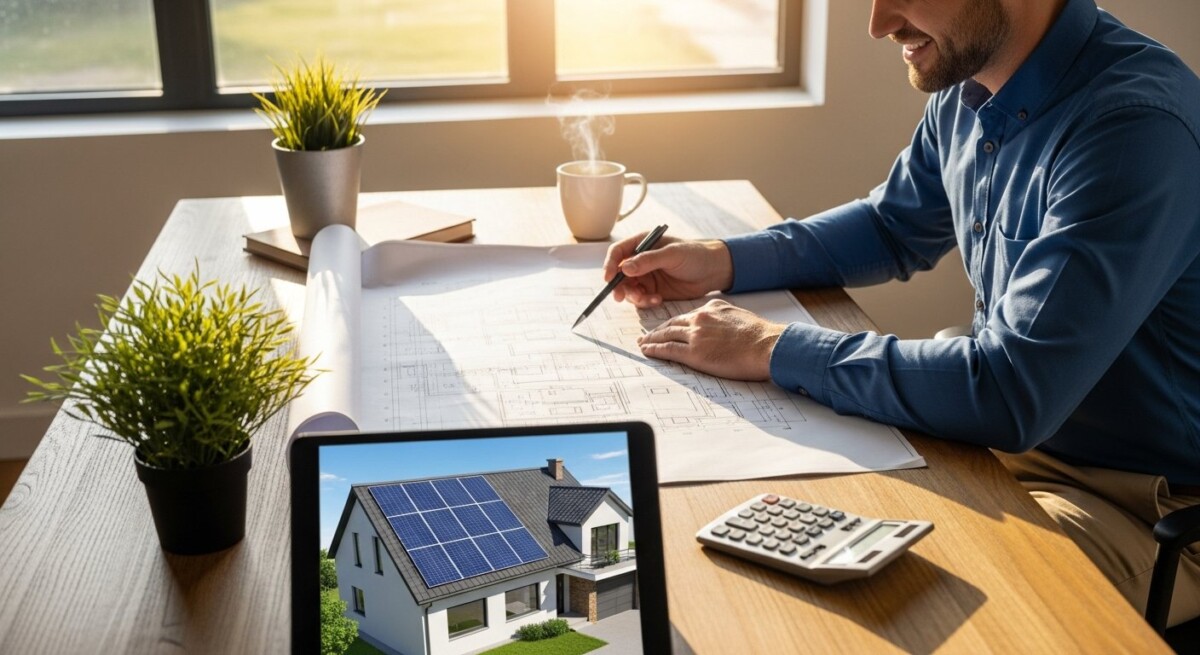
The journey to solar power is a structured process managed by your chosen installer. It begins with a detailed assessment of your home’s energy use and roof condition. This ensures the system design is perfectly tailored to maximize your savings.
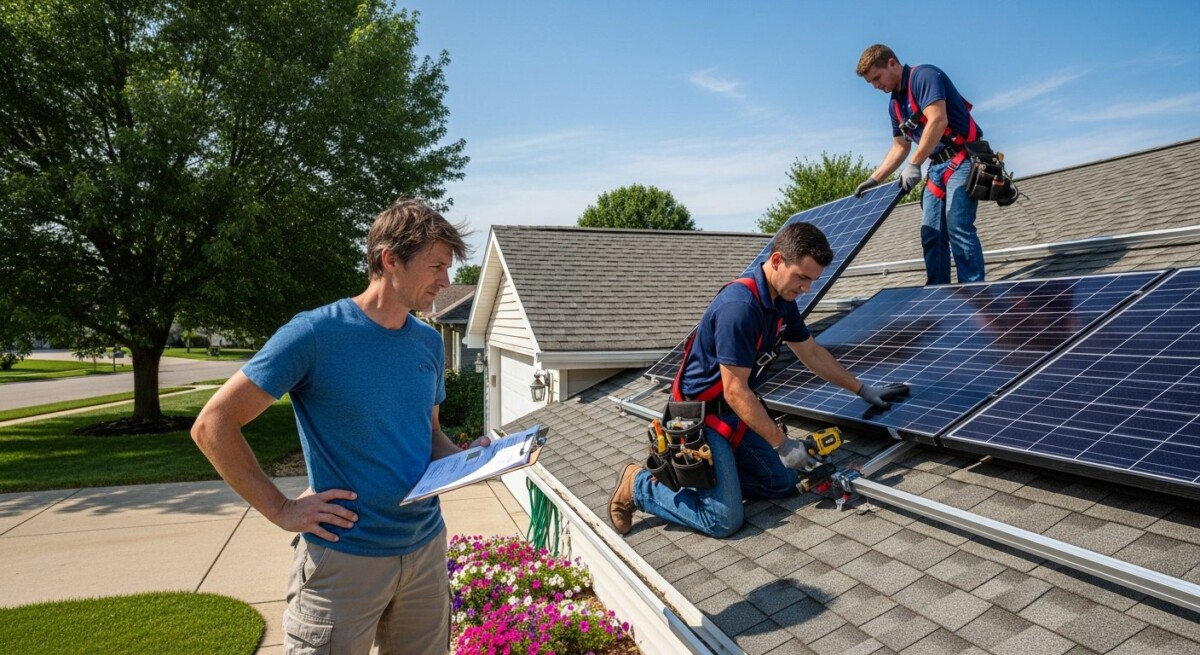
Your installer handles all the complex steps, from securing local permits to coordinating with your utility. The physical installation is often quicker than most people expect. Here are the main steps in a typical installation:
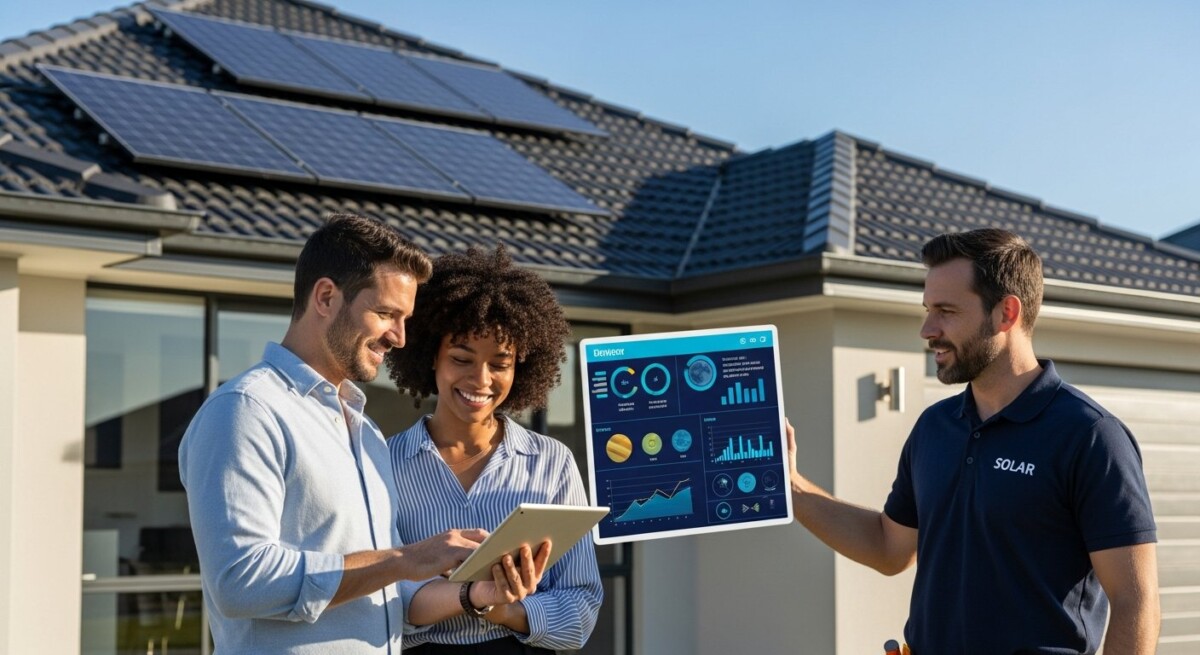
- Home Energy Assessment & Consultation: Review your bills, evaluate your roof, and discuss goals.
- Custom System Design & Proposal: The installer designs a system to meet your energy needs.
- Permits & Approvals: The company secures necessary permits and utility interconnection agreements.
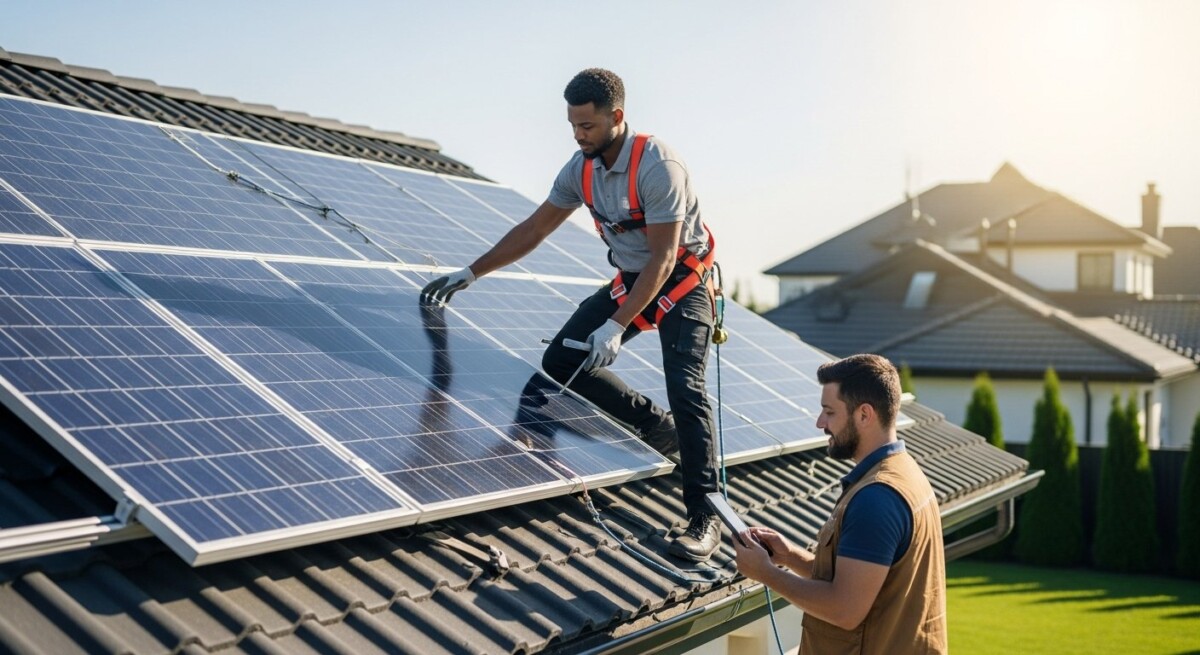
- Panel Installation & Electrical Work: Crews mount the racking, panels, and inverter, typically in 1-3 days.
- Inspections & System Activation: After passing final inspections, your system is turned on.
Speaking with experienced installers can help you determine the best solar solution for your home. Compare solar quotes here or call to explore available options.
Signs Your Home May Be Ideal for Solar
While solar can work in many situations, some homes are naturally better suited for it. The most important factor is access to sunlight. A roof with minimal shading from trees or other structures for most of the day is a prime candidate.
Your current energy habits also play a big role. Homes with higher electricity bills typically see a faster return on investment because the solar system offsets more expensive grid power. Consider these indicators that solar could be a great fit for you:
- You have consistent, high monthly electricity bills.
- Your roof is in good condition and receives strong sunlight.
- You plan to stay in your home for the next 5-10 years.
- Your state or utility offers strong net metering policies.
- You are motivated by long-term savings and environmental benefits.
What Affects Solar Installation Costs
The total cost of your solar system depends on several key factors. The size of the system, measured in kilowatts (kW), is the biggest driver,a larger home with higher energy needs requires a larger system. The quality and efficiency of the equipment you choose, like panels and inverters, also influence the price.
Installation complexity, such as a steep or multi-level roof, can add cost. Crucially, available incentives dramatically reduce the net price. The federal tax credit, along with any state or local rebates, can cut the upfront cost by a third or more, making the investment much more accessible. For a secure and lasting installation, the right materials are key; understanding the best solar panel adhesive is part of a quality installer’s expertise.
The cost of solar installation varies depending on your home and energy needs. Request personalized solar quotes or call to see what options are available.
Tips for Choosing a Reliable Solar Installer
Selecting the right installer is perhaps the most important decision you’ll make. A reputable company will guide you through financing options, even with credit challenges, and ensure a smooth process from start to finish. They act as your partner in achieving energy independence.
Always check an installer’s certifications, like NABCEP, and read reviews from past customers. A trustworthy company will be transparent about costs, equipment, and expected savings. Use these tips to find a reliable partner:
- Verify licenses, insurance, and industry certifications.
- Read customer reviews and ask for local references.
- Compare detailed quotes from at least 3 different companies.
- Understand the warranties offered on both equipment and workmanship.
- Choose a company with several years of local installation experience.
Long-Term Benefits of Installing Solar Panels
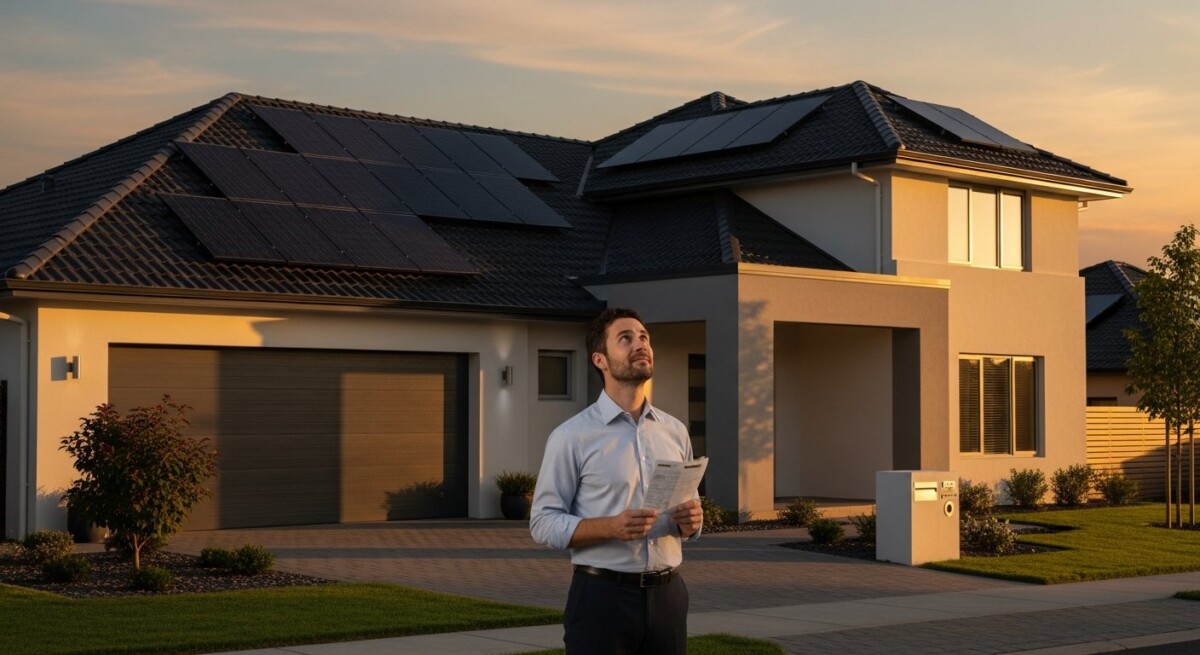
The long-term advantages of going solar extend far beyond the initial installation. The most immediate benefit is dramatically lower electricity bills, often reducing them by 70% to 100%. This predictable energy cost protects you from future utility rate hikes for the 25+ year life of the system.
Solar panels also increase your home’s market value and appeal to potential buyers. You’ll gain peace of mind knowing you’re contributing to a cleaner environment by reducing carbon emissions. Ultimately, solar power provides a powerful sense of energy independence and financial control for decades to come.
Frequently Asked Questions
Can I get solar panels with a bad credit score?
Yes, you often can. While a lower score may limit some loan options, alternatives exist. Many installers offer solar leases or Power Purchase Agreements (PPAs) which may have less strict credit requirements, as you are not purchasing the system. Some loan providers also specialize in financing for a wider range of credit profiles.
What is the easiest way to finance solar with bad credit?
A solar lease or PPA is often the most accessible path. With these options, a third party owns the system, and you pay a monthly fee for the electricity it produces. Since you’re not taking a loan to buy the equipment, credit requirements can be more lenient, though you may need a minimum score around 600.
Do solar companies do a hard credit check?
Most solar financiers will perform a hard credit inquiry if you apply for a loan. This can temporarily lower your score by a few points. For leases and PPAs, the check may be softer. It’s always wise to ask the company about their specific process before you apply.
Will installing solar hurt my credit score?
The initial credit check may cause a minor, temporary dip. However, if you finance the system with a loan and make all payments on time, it can actually help you build a positive payment history and improve your credit score over the long term.
What credit score is needed for a solar loan?
Requirements vary by lender. Some specialized solar lenders may approve scores as low as 600, though interest rates will be higher. For the most favorable loan terms (lowest rates), a score of 680 or above is typically desired. Getting multiple quotes helps you find lenders suited to your situation.
Are there grants for solar panels for low-income families?
Yes, there are programs. The federal government offers low-income subsidies, and many states have specific solar assistance programs. These can include direct grants, rebates, or subsidized loans. Your local solar installer can be a great resource for identifying available programs in your area.
How much does a solar panel system cost?
The average cost for a residential system ranges from $15,000 to $25,000 before incentives. After applying the 30% federal tax credit, the net cost typically falls between $10,500 and $17,500. The final price depends entirely on your home’s size, energy use, and the equipment selected.
Is it better to lease or buy solar panels?
Buying (with cash or a loan) offers the greatest long-term savings and increases your home’s value. Leasing or a PPA requires little to no money down and handles maintenance, but your savings are lower. The best choice depends on your financial goals, credit, and how long you plan to stay in your home.
Exploring solar power is a smart step toward taking control of your energy costs and future. While credit can feel like a hurdle, practical financing solutions exist to help you achieve energy independence. The most important action you can take is to speak with qualified, local installers who can assess your unique situation and present your options. Start by comparing multiple, detailed quotes to find the right path to solar savings for your home.