You’ve noticed your electricity bill creeping higher every month. You’ve considered solar panels to lock in your energy costs and reduce your reliance on the unpredictable grid. But with so much information out there, a common and practical question arises: can you add battery storage to your solar system later, or do you need to install everything at once? This key decision impacts your upfront costs, your energy independence, and your long-term savings.
Understanding Can You Add Battery to Solar Later
The simple answer is yes, in most cases, you can absolutely add a battery to your existing solar panel system. This process is often called “solar-plus-storage retrofitting.” It involves integrating a new battery unit with your current solar setup, allowing you to store the excess energy your panels produce during the day for use at night or during a power outage.
This flexibility is a game-changer for many homeowners. You can start with a solar-only system to immediately slash your electricity bills. Then, when you’re ready,whether for increased backup power, to maximize self-consumption, or to take advantage of new incentives,you can upgrade to include battery storage. This staged approach makes solar energy more accessible by spreading out the investment.
How Does a Battery Retrofit Work?
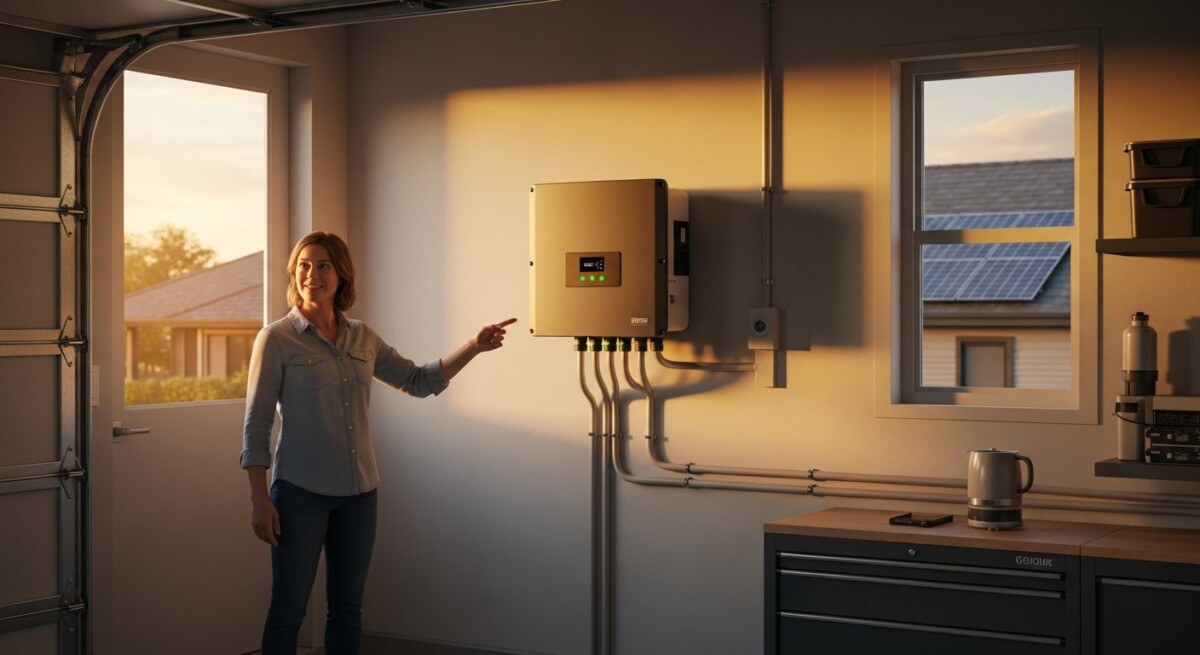
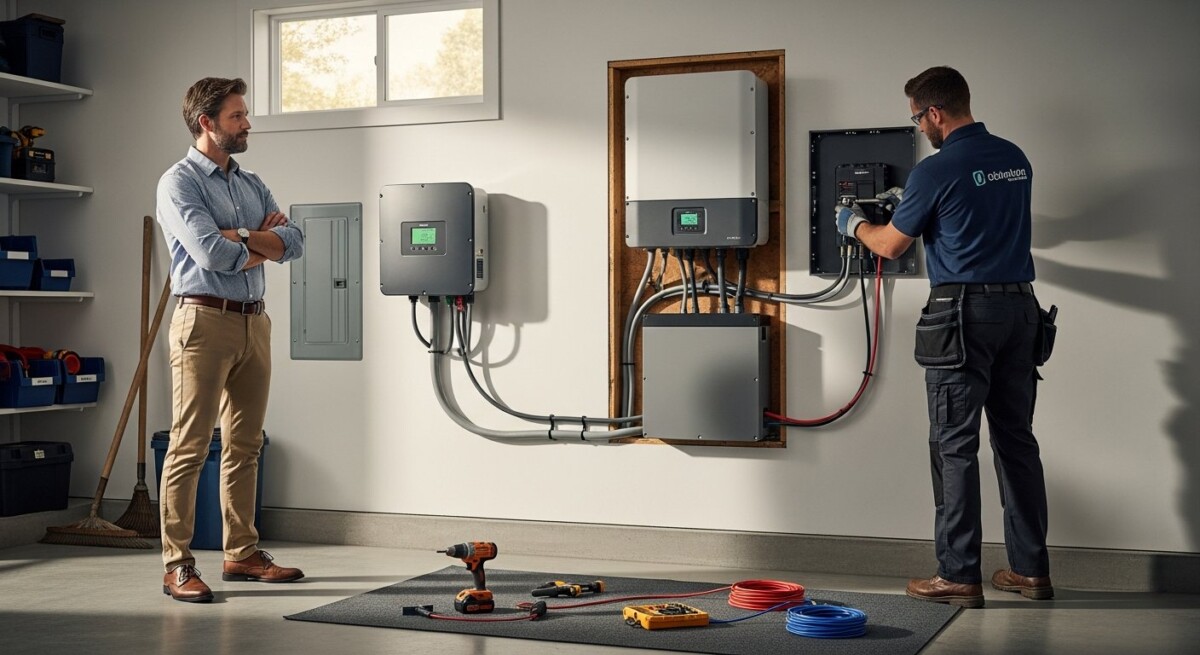
Retrofitting a battery typically requires a qualified installer to connect a compatible battery system to your existing solar inverter or to install a new, hybrid inverter that can manage both solar production and battery storage. The complexity and cost depend on your current equipment’s age and compatibility. A professional assessment is crucial to ensure a smooth and efficient integration.
Why Solar Energy Is Becoming More Popular
Homeowners are turning to solar power at a record pace, driven by a powerful combination of financial and personal motives. Consistently rising utility rates make a fixed-cost solar system an attractive shield against unpredictable energy expenses. Over 20+ years, the savings on your electricity bills can be substantial, often outweighing the initial installation cost.
Beyond the wallet, there’s a growing desire for energy independence and environmental stewardship. Solar power allows you to generate your own clean electricity, reducing your carbon footprint and providing peace of mind. Combined with federal, state, and local incentives that significantly lower the net cost, it’s clear why solar is moving from a niche alternative to a mainstream home upgrade.
If you are considering solar power for your home, comparing installation quotes can help you understand your options. Request a free solar quote or call to learn more.
Common Questions Homeowners Have About Solar
It’s normal to have questions before making a significant home improvement decision. Many wonder about the true cost, the payback period, and whether their roof is suitable. Others are concerned about maintenance or what happens on cloudy days.
A reliable solar installer will patiently address all these concerns. They can provide detailed projections of your energy production and savings, assess your roof’s condition and sun exposure, and explain how net metering or a battery can ensure you have power when you need it. Getting clear answers builds confidence and helps you make an informed choice.
- How much will a solar system really cost after incentives?
- Is my roof strong enough and does it get enough sun?
- What is the maintenance required for solar panels?
- How does solar work when the sun isn’t shining?
- Will solar panels increase my property value?
- What is the warranty on the equipment and installation?
How Solar Panel Installation Works
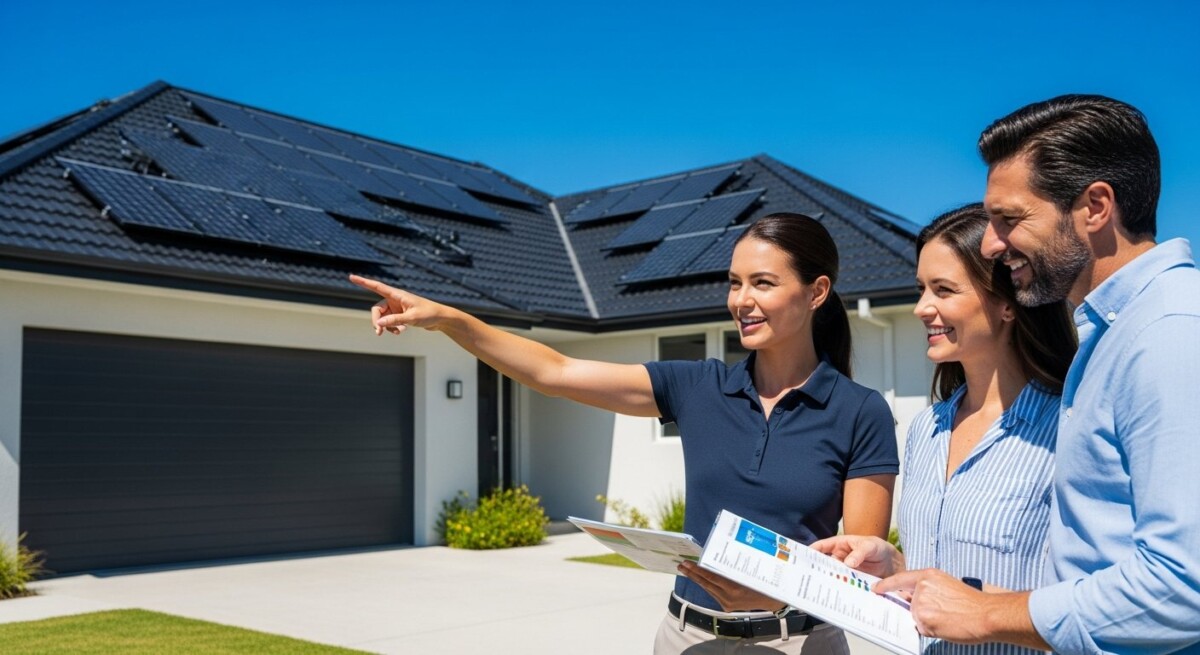
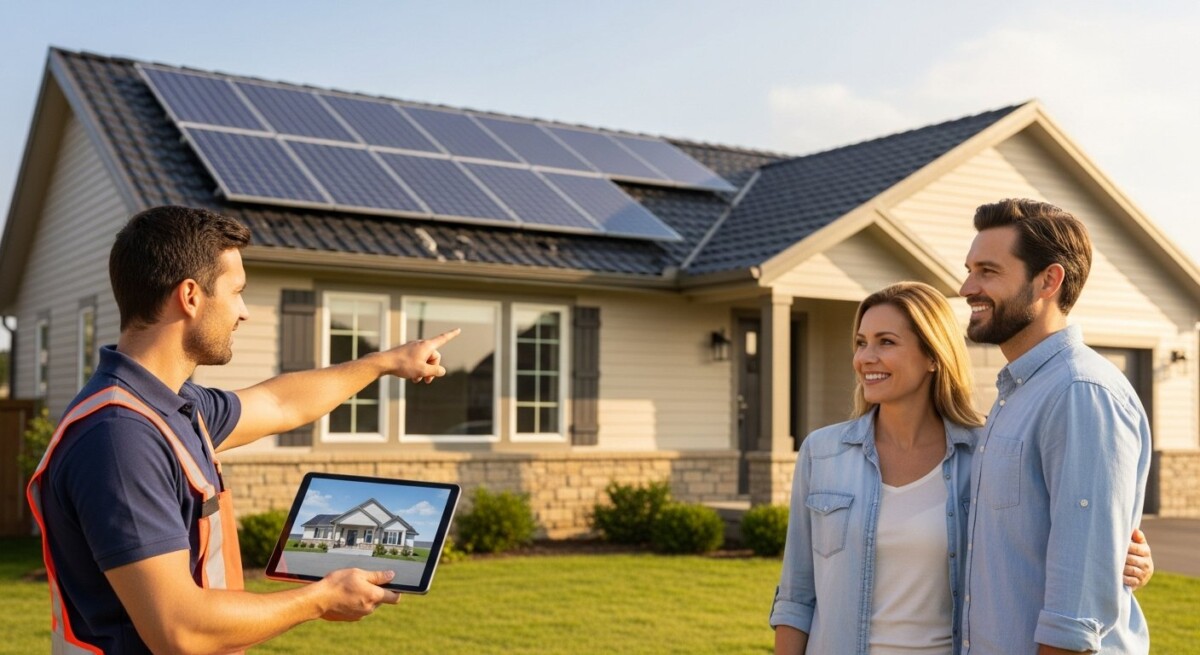
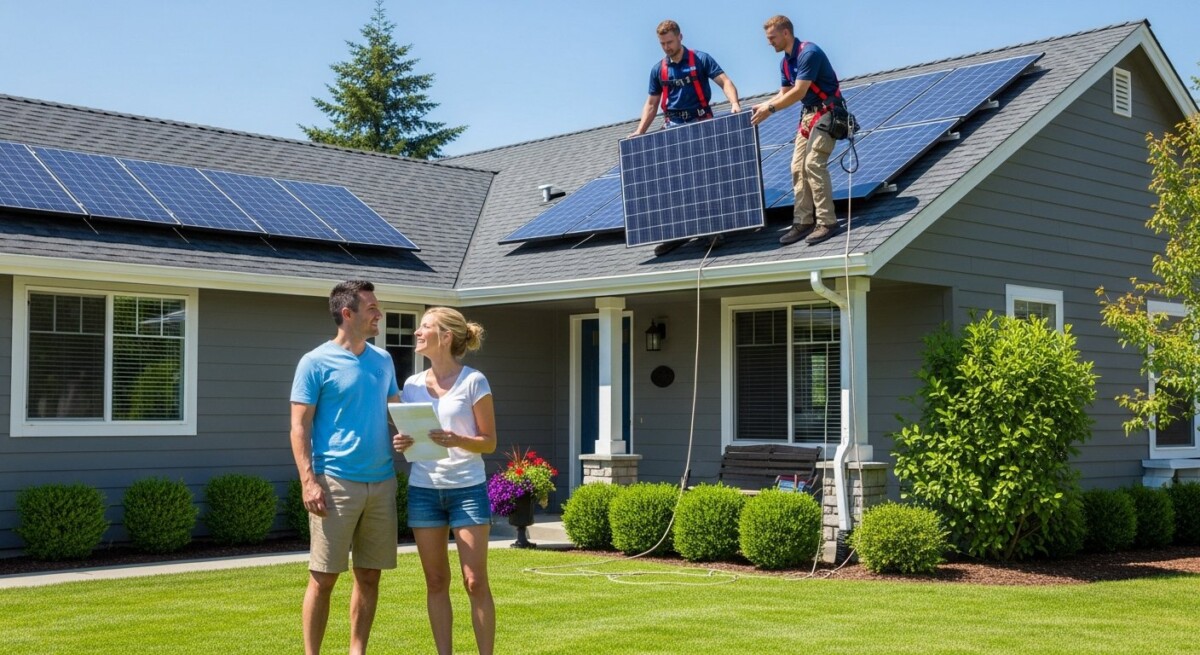
The solar installation process is designed to be straightforward and managed by professionals from start to finish. It begins with a detailed consultation and energy assessment of your home to design a system that meets your specific needs and goals. This customized plan is key to maximizing your return on investment.
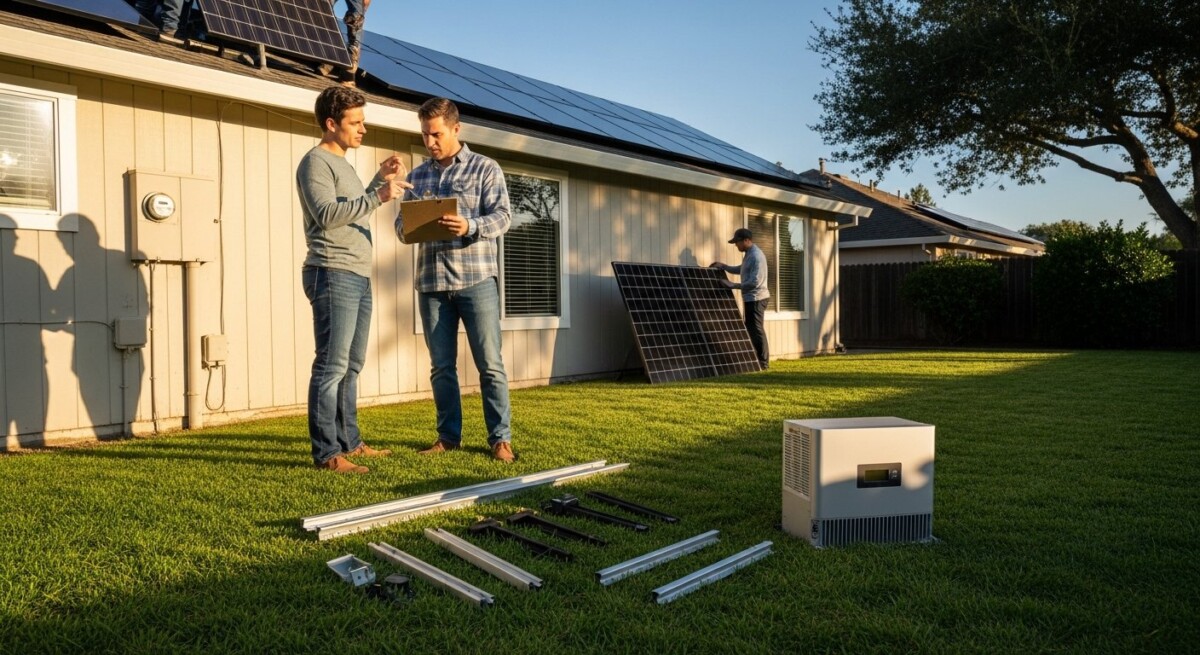
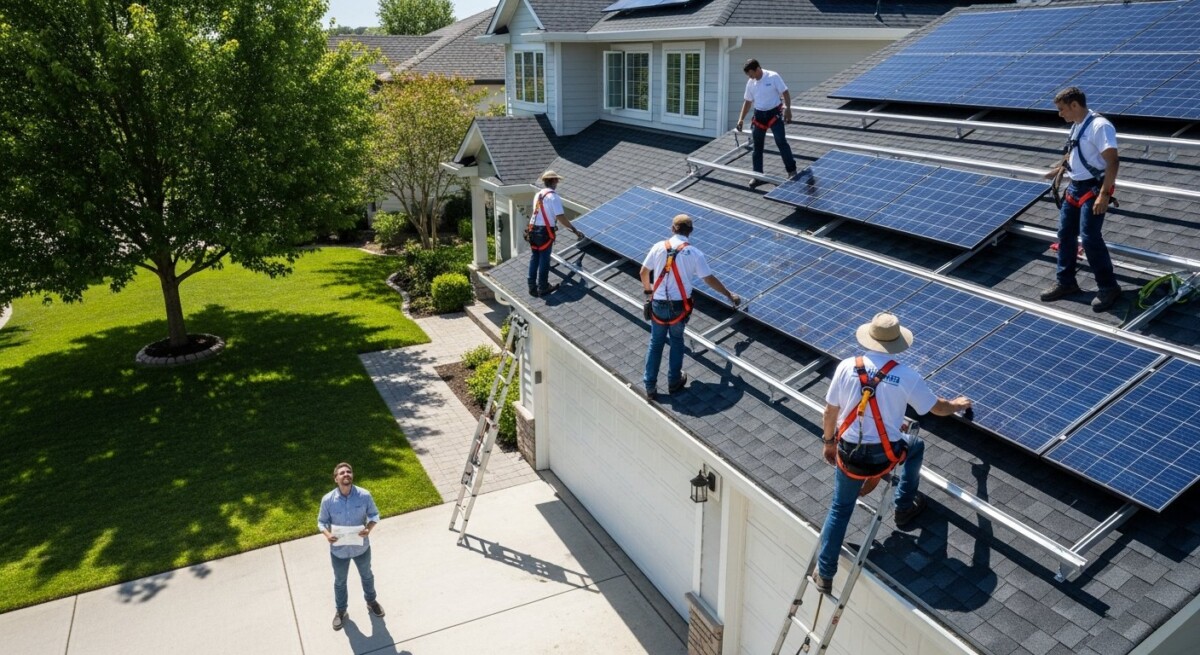
Once you approve the design, your installer handles all the necessary permits and paperwork with your local authorities and utility company. The physical installation is typically completed in one to three days, followed by inspections and finally, system activation. You’ll soon be generating your own clean power.
- Home Energy Assessment & Consultation
- Custom System Design & Proposal
- Permitting & Utility Approvals
- Equipment Delivery & Installation
- Final Inspections & System Activation
Speaking with experienced installers can help you determine the best solar solution for your home. Compare solar quotes here or call to explore available options.
Signs Your Home May Be Ideal for Solar
While solar can work for many homes, some characteristics make the investment particularly advantageous. The most obvious is a roof with good, unobstructed exposure to the south, east, or west. You don’t need constant blazing sun, but consistent daylight access is important for optimal production.
Financially, if you have high monthly electricity bills, solar presents a significant opportunity for savings. Furthermore, if you plan to stay in your home for the long term, you’ll have more years to enjoy reduced bills and see the full financial return on your investment. Solar is a long-term asset that grows in value the longer you own it.
- Your roof is in good condition and receives direct sunlight for most of the day.
- You currently have high or rising monthly electricity costs.
- You have a suitable amount of unshaded roof space.
- You plan to own your home for the next 5-10+ years.
- Your local utility offers net metering or has high time-of-use rates.
- You are interested in increasing your home’s value and sustainability.
What Affects Solar Installation Costs
The total cost of a solar panel system is influenced by several key factors. The size of the system, measured in kilowatts (kW), is the primary driver,a larger system to power a bigger home with higher usage will cost more. The quality and efficiency of the equipment, such as the panels and inverter, also play a major role in the price and long-term performance.
Installation complexity, like a steep or multi-level roof, can affect labor costs. Crucially, available government tax credits, state rebates, and local incentives can dramatically reduce your net cost. For example, a detailed review of panel options can help you balance quality and budget; our guide to trusted solar panel reviews explores this balance in depth. A qualified installer will help you navigate all these variables to find the best value.
The cost of solar installation varies depending on your home and energy needs. Request personalized solar quotes or call to see what options are available.
Tips for Choosing a Reliable Solar Installer
Selecting the right installer is as important as choosing the right equipment. Look for a company with a strong track record, proper licensing, and insurance. They should be transparent about their process, costs, and the equipment brands they use.
Always check customer reviews and ask for references. A trustworthy installer will provide a detailed written contract and clear explanations of warranties covering both the products and the workmanship. Don’t hesitate to ask detailed questions,their answers will reveal their expertise and customer service approach.
- Verify licenses, insurance, and certifications (like NABCEP).
- Choose an installer with several years of local experience.
- Read customer reviews and ask for local references.
- Get detailed, written warranties for equipment and labor.
- Ensure they handle all permitting and interconnection paperwork.
- Always compare multiple detailed quotes.
Long-Term Benefits of Installing Solar Panels
The most immediate and compelling benefit of solar panels is the drastic reduction in your monthly electricity bill. By generating your own power, you’re effectively locking in a lower, predictable energy rate for decades, protecting yourself from future utility rate hikes. This leads to significant long-term financial savings that often exceed the initial investment.
Beyond savings, solar panels increase your home’s market value and appeal to future buyers. They provide a tangible step toward energy independence and environmental responsibility, reducing your household’s carbon emissions. Whether you add a battery now or later, you gain greater control over your energy future and contribute to a cleaner grid for everyone.
Can I finance a solar panel system?
Yes, many homeowners finance their solar installations through loans, leases, or Power Purchase Agreements (PPAs). Loans allow you to own the system and claim incentives, while leases and PPAs involve little to no upfront cost but you pay for the solar electricity produced. Comparing financing options is a key part of the planning process.
How long do solar panels last?
Most high-quality solar panels come with a performance warranty guaranteeing 80-90% production after 25 years. The panels themselves can continue to produce electricity well beyond that. Inverters may need replacement once during the system’s lifespan, and batteries typically have warranties of 10 years or more.
What is net metering?
Net metering is a billing arrangement with your utility company. When your solar panels produce more electricity than your home uses, the excess is sent to the grid, and your meter runs backward, giving you credits. At night or on cloudy days, you draw power from the grid and use those credits, significantly lowering your net cost.
Do solar panels require a lot of maintenance?
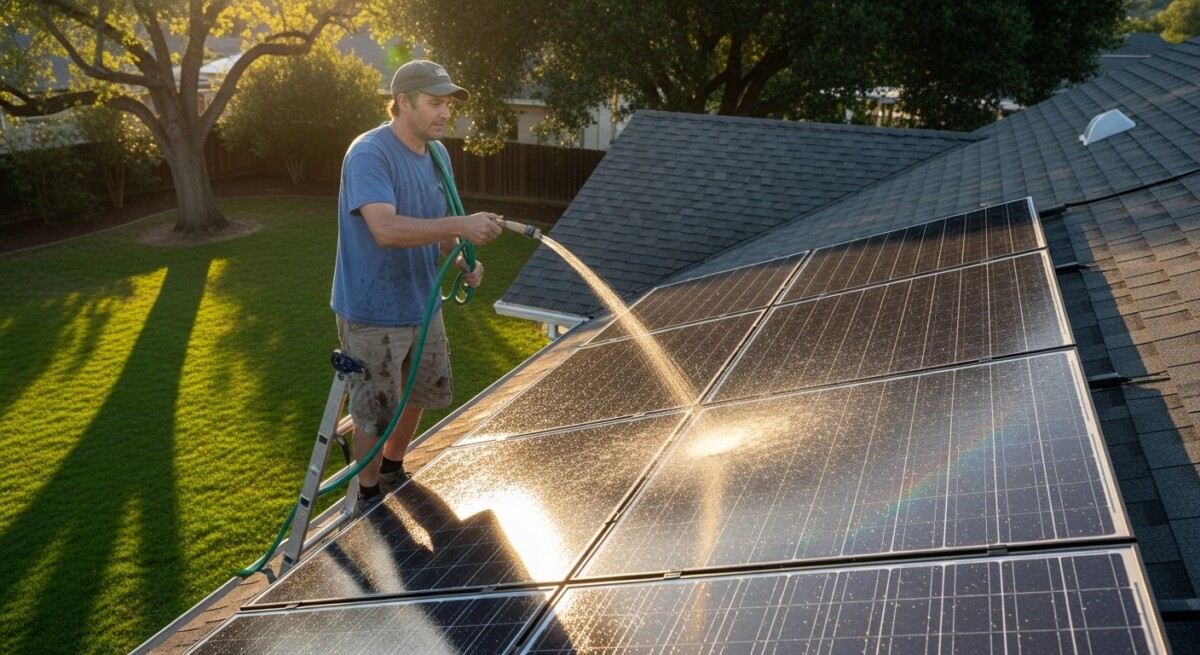
Solar panels require very little maintenance. Occasional cleaning with water to remove dust, pollen, or bird droppings is usually sufficient to keep them operating efficiently. Most systems include monitoring software so you can track performance and ensure everything is working correctly.
Will solar panels work during a blackout?
Standard grid-tied solar systems automatically shut off during a blackout for safety reasons, to prevent sending electricity back to the grid while utility workers make repairs. To have power during an outage, you need a solar system equipped with battery storage, which can island your home from the grid and provide backup power.
How do I know if my solar panels are working properly?
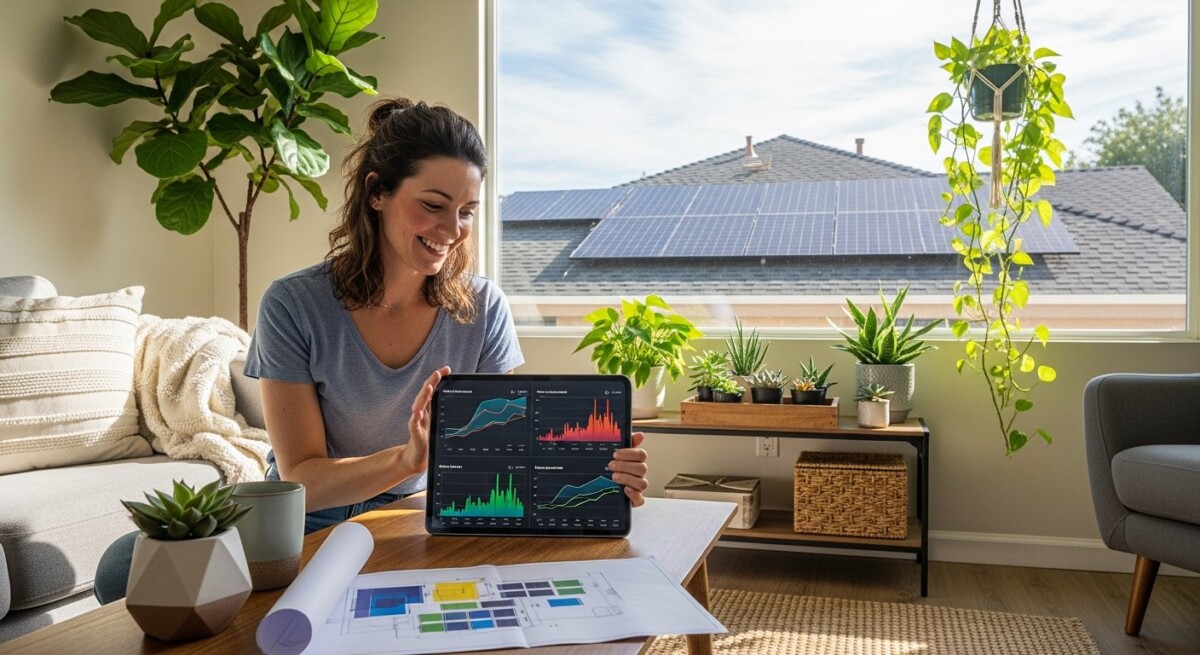
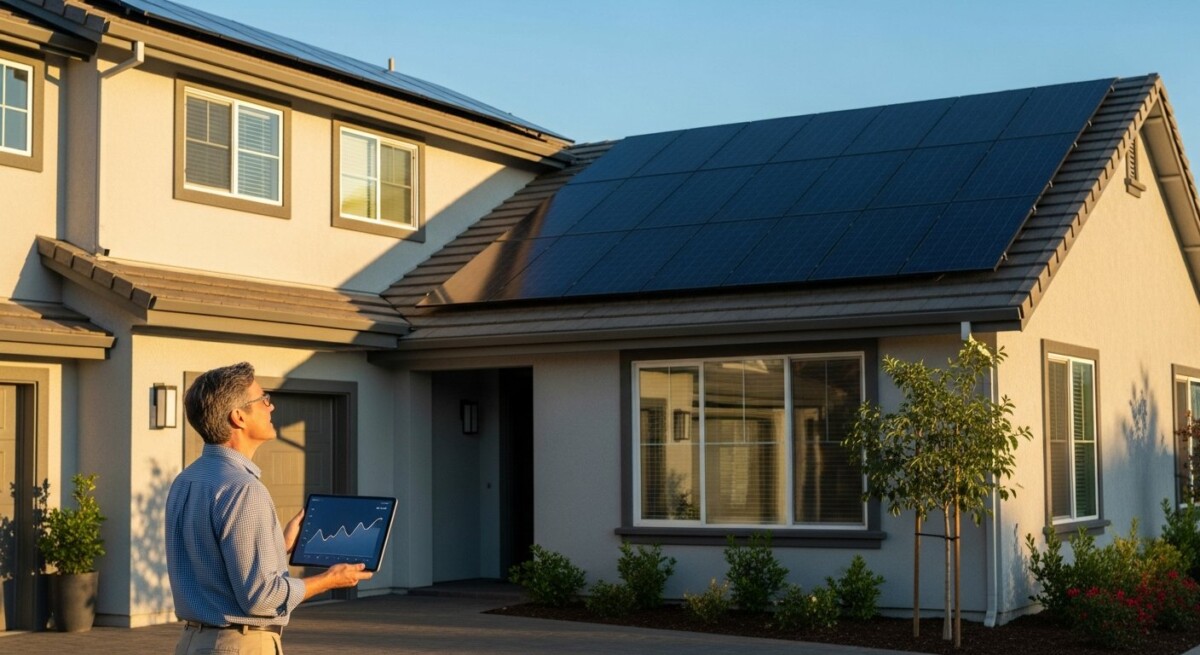
Your solar installer will typically provide a monitoring platform (often an app or website) that shows your system’s real-time and historical energy production. You can easily check this daily to ensure your system is performing as expected. Significant drops in production would indicate a need to contact your installer.
Understanding that you can add a battery to your solar system later provides fantastic flexibility in your clean energy journey. It allows you to start saving immediately with solar panels and upgrade to full energy independence when the time is right for your budget and goals. The first step toward realizing these benefits is to gather information tailored to your specific home. By comparing quotes from reputable, local installers, you can make a confident, informed decision that will power your home,and your savings,for years to come.