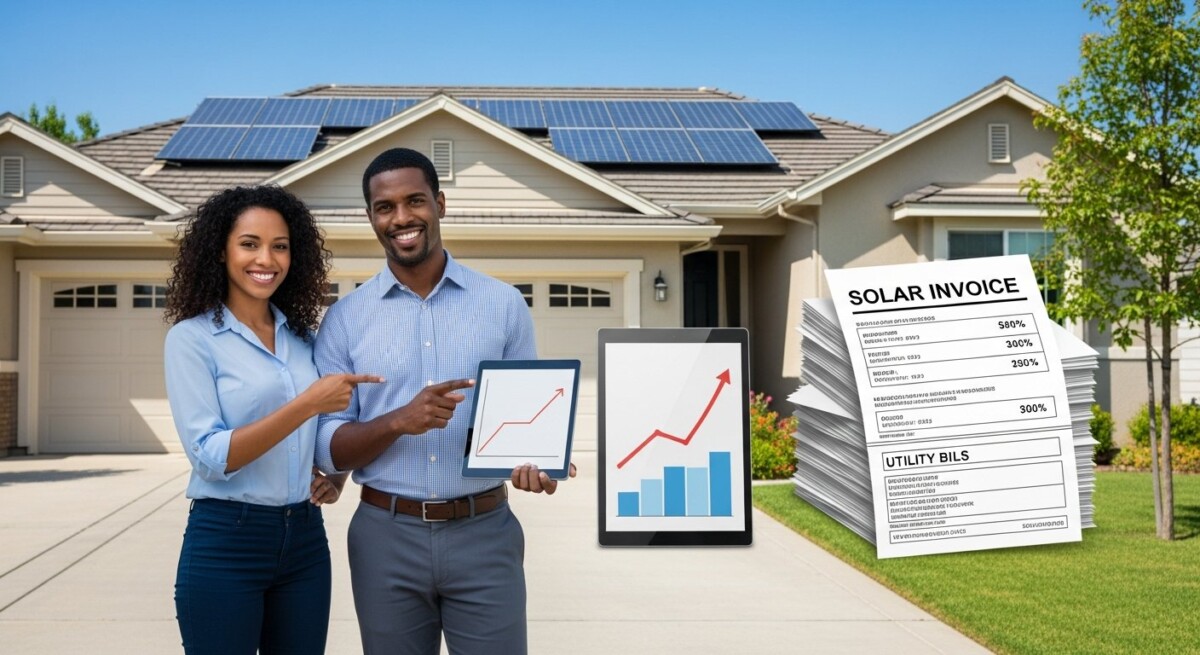
You open your monthly electricity bill and feel that familiar frustration. The cost seems to climb every year, making you wonder if there’s a better way. More and more homeowners are asking a powerful question: can solar panels power entire house? The desire to slash energy bills and reduce dependence on the traditional power grid is driving a major shift towards solar energy.
Understanding Can Solar Panels Power Entire House
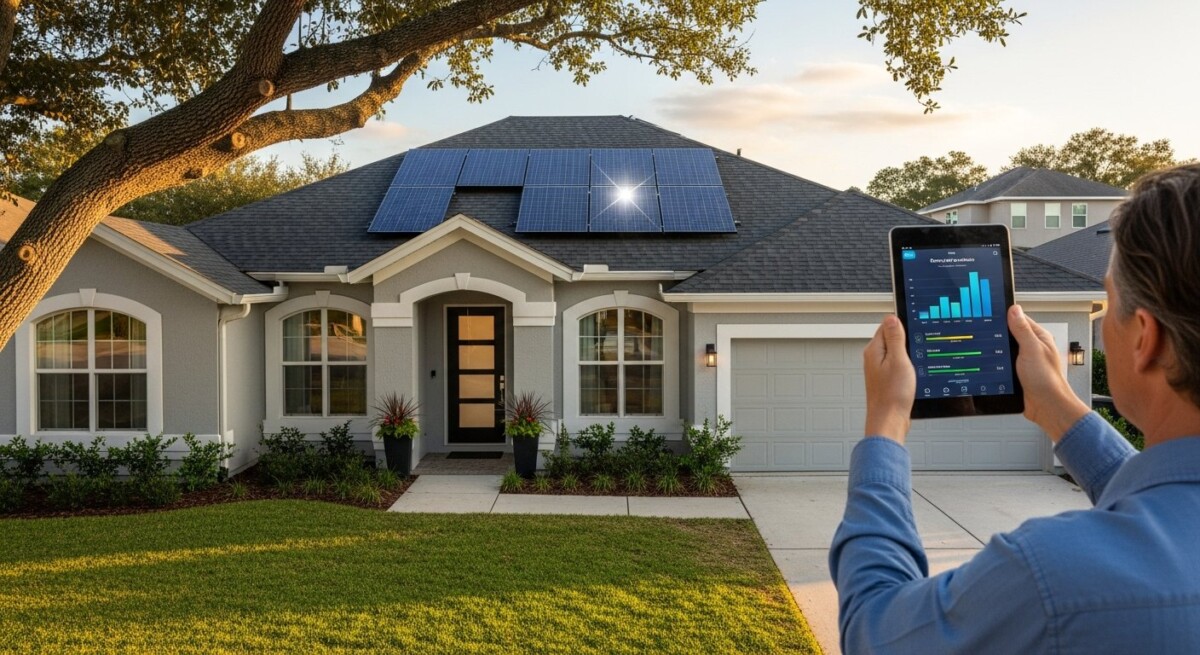
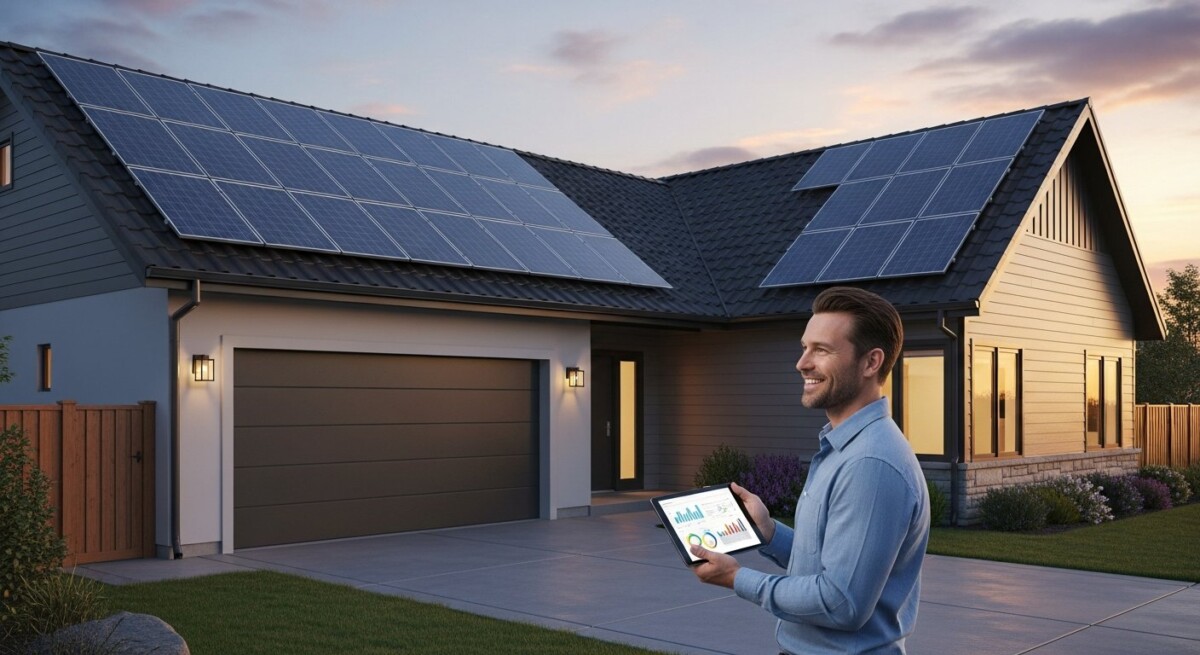
The simple answer is yes, solar panels can absolutely power an entire house. This is achieved by installing a solar panel system, often called a photovoltaic (PV) system, on your roof or property. These systems capture sunlight and convert it into clean, usable electricity for your home.
The key is designing a system that matches your specific energy consumption. A professional installer will calculate your household’s average energy use to determine the right number of panels. This ensures your system generates enough power to cover your daily needs, from running appliances to charging devices.
What About Nighttime and Cloudy Days?
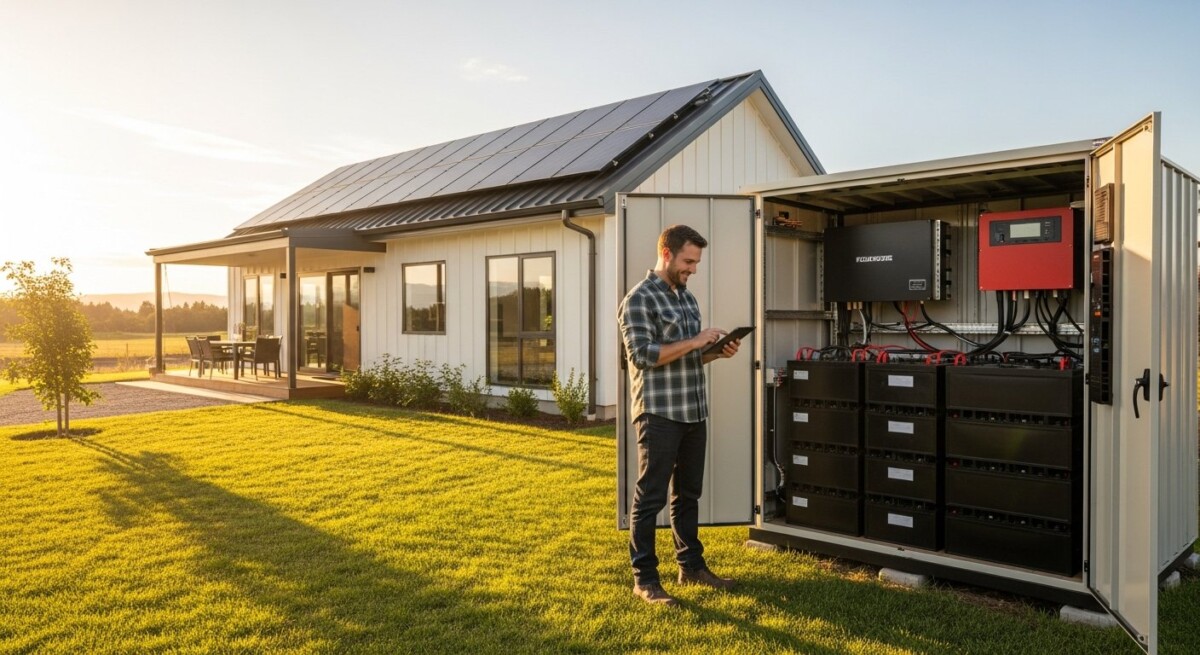
Solar panels produce power when the sun is shining. To power your home around the clock, most systems include a grid connection or battery storage. Being connected to the grid allows you to draw power when needed and send excess energy back, often for credits. Adding a solar battery stores surplus energy for use at night or during outages, moving you closer to full energy independence.
Why Solar Energy Is Becoming More Popular
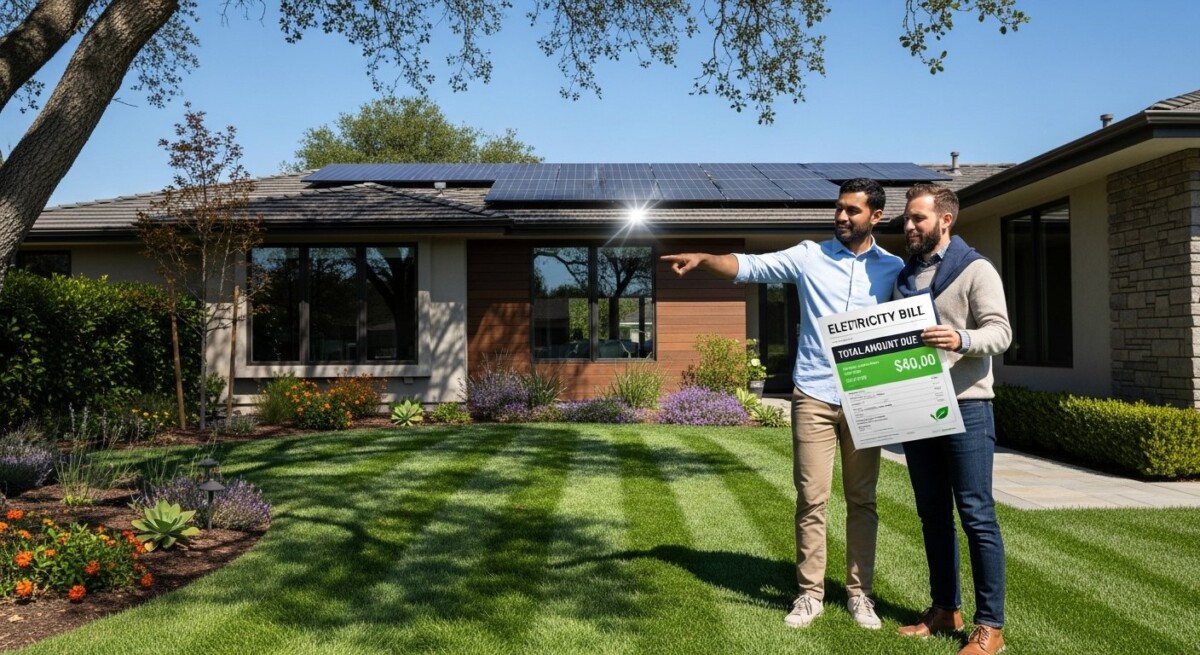
Homeowners are turning to solar power for several compelling reasons. First and foremost are the financial benefits. With electricity prices consistently rising, locking in a lower, predictable cost for your power is a smart financial move. Solar panels act as a long-term hedge against unpredictable utility rate hikes.
Beyond savings, there’s a strong desire for energy independence and environmental responsibility. Generating your own power makes you less vulnerable to grid outages and price fluctuations. Simultaneously, you’re significantly reducing your household’s carbon footprint, which is a powerful motivator for many families looking to make a positive impact.
If you are considering solar power for your home, comparing installation quotes can help you understand your options. Request a free solar quote or call to learn more.
Common Questions Homeowners Have About Solar
It’s normal to have questions before making such a significant home investment. Many people worry about the upfront cost, which is why understanding financing options and incentives is crucial. Others are concerned about their roof’s suitability or how the system will perform in their specific climate.
A reliable installer will address all these concerns during a consultation. They can assess your roof’s condition, angle, and sun exposure to give you a clear picture of your home’s solar potential. They will also explain performance expectations based on local weather patterns.
- Is my roof suitable for solar panels?
- What is the total cost, and are there financing options?
- How much will I really save on my electricity bills?
- What happens during a power outage?
- How long do solar panels last, and what maintenance is required?
- Will solar panels increase my property value?
How Solar Panel Installation Works
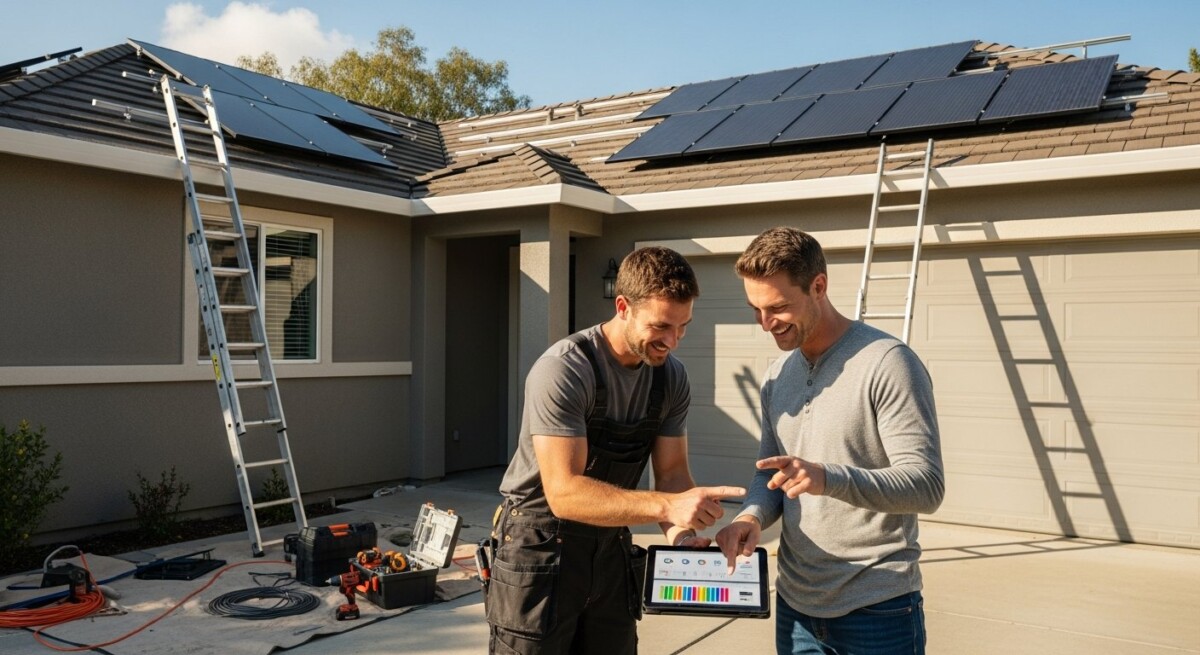
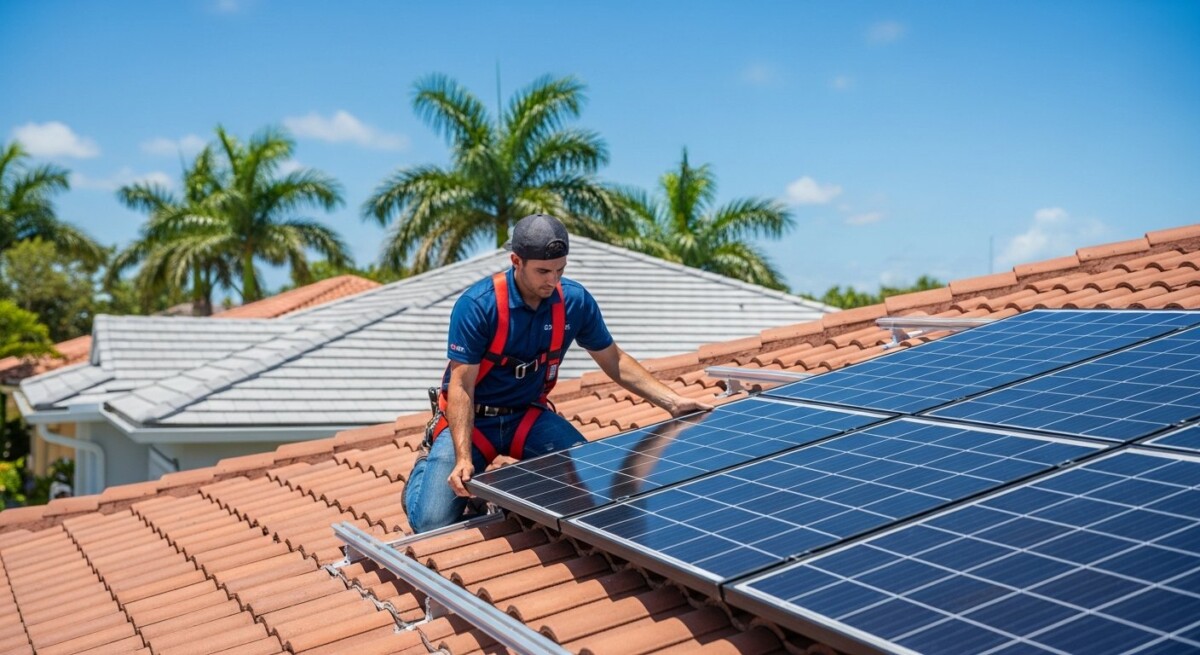
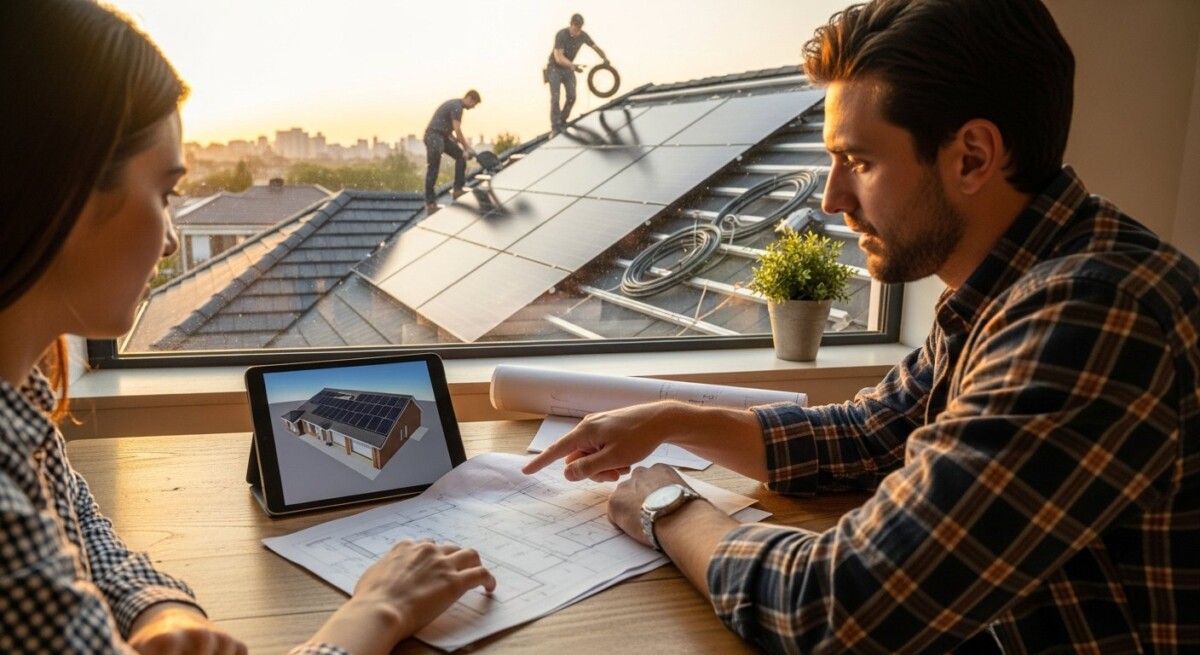
The installation process is managed by professionals from start to finish, making it surprisingly straightforward for the homeowner. It begins with a detailed assessment of your energy needs and your property. This ensures the system design is perfectly tailored to your situation.
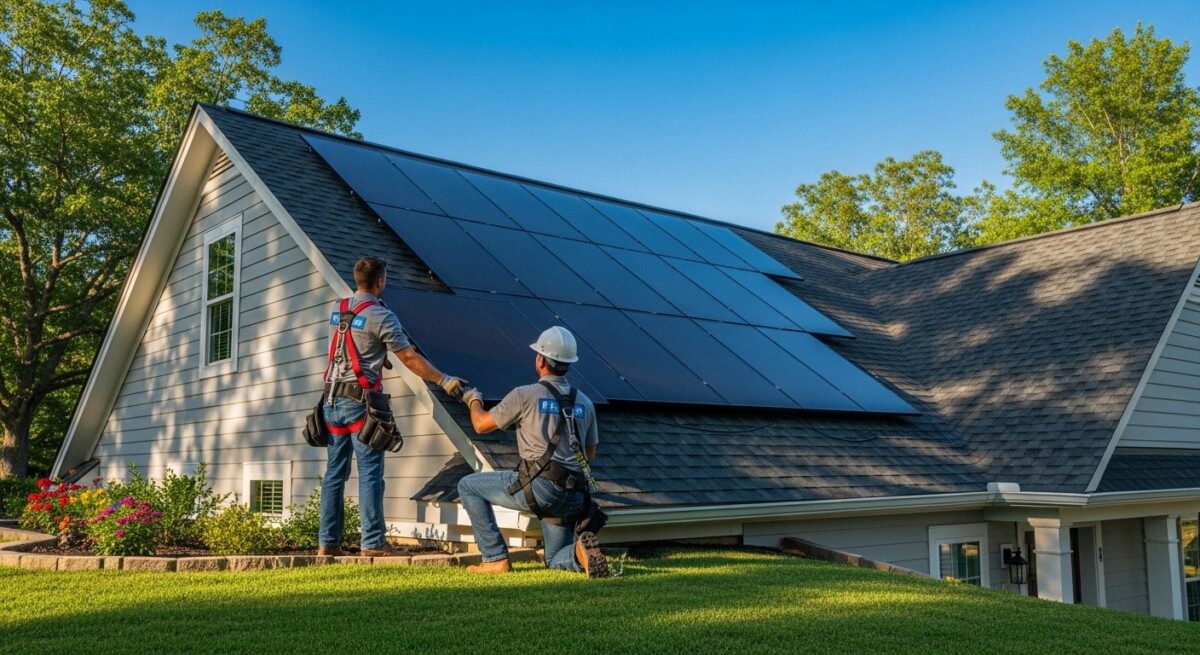
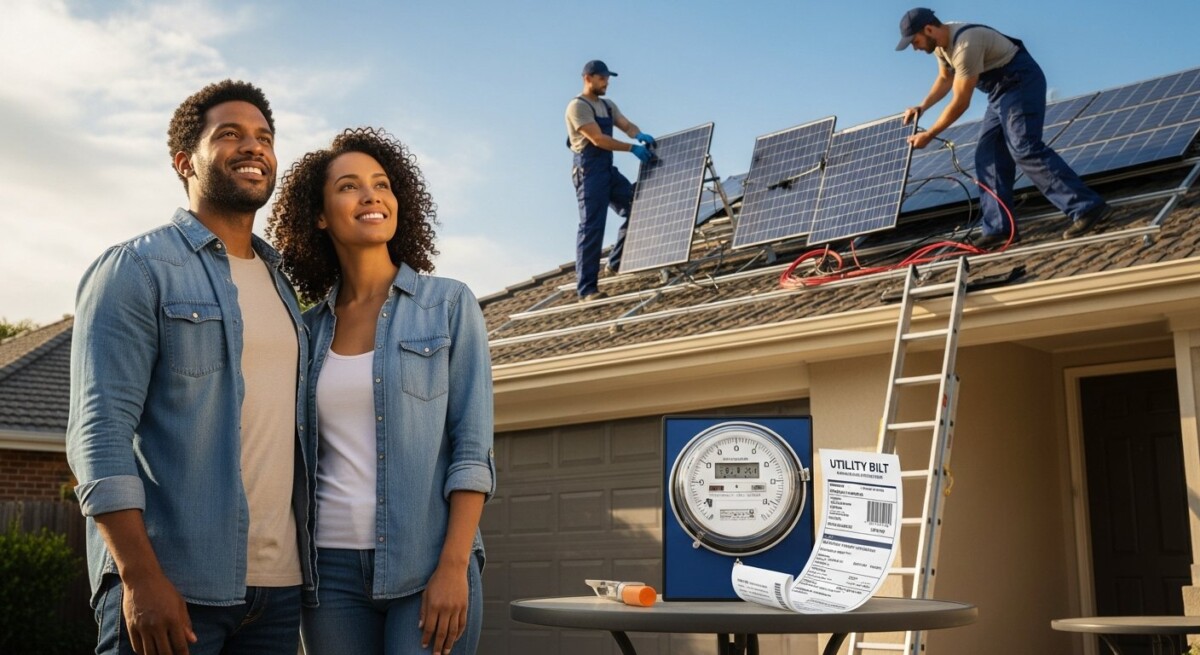
Your installer handles all the complex steps, including securing necessary permits and approvals from your local utility and government. Once everything is approved, the physical installation typically takes just a few days. The final step is connecting your system to the grid and flipping the switch to start generating power.
- Home Energy Assessment & Consultation: Reviewing your bills and evaluating your site.
- Custom System Design: Creating a plan that meets your goals and budget.
- Permits & Approvals: Securing all required paperwork from local authorities.
- Panel & Equipment Installation: Mounting racks, panels, and the inverter.
- Inspection & System Activation: Final checks and connection to the grid.
Speaking with experienced installers can help you determine the best solar solution for your home. Compare solar quotes here or call to explore available options.
Signs Your Home May Be Ideal for Solar
While many homes are good candidates, some characteristics make the investment particularly advantageous. The most obvious factor is your roof’s exposure to direct sunlight for most of the day. South-facing roofs with minimal shading from trees or other structures are ideal.
Your current electricity bills also tell a story. If you’re paying a high monthly rate, the potential savings from solar are greater, improving your return on investment. Furthermore, if you plan to stay in your home for many years, you’ll have more time to enjoy the long-term savings and benefits.
- Your roof gets strong, unobstructed sunlight for several hours a day.
- You have high or rising monthly electricity bills.
- Your roof is in good condition and has adequate space.
- You plan to own your home for the next 7-10+ years.
- You live in an area with good net metering policies.
- You are interested in reducing your environmental impact.
What Affects Solar Installation Costs
The total cost of a solar panel system is not one-size-fits-all. The primary factor is the system’s size, measured in kilowatts (kW), which is directly tied to your home’s energy consumption. A larger home with higher usage will require a larger, more powerful system.
Equipment quality, roof complexity, and local labor rates also influence the price. Crucially, you must subtract available government incentives, like the federal solar tax credit, and local rebates from the total. These can reduce the net cost by 30% or more, making solar far more affordable. Understanding the process of removing and reusing solar panels can also inform decisions about system longevity and future home projects.
The cost of solar installation varies depending on your home and energy needs. Request personalized solar quotes or call to see what options are available.
Tips for Choosing a Reliable Solar Installer
Selecting the right installer is as important as choosing the equipment. Look for a company with strong experience, proper licensing, and a solid reputation in your community. They should be transparent about their process, costs, and the equipment brands they use.
Always review warranties carefully. A reputable installer will offer strong warranties on both their workmanship and the panels/inverter. This protects your investment for decades. Don’t hesitate to ask for references and read online reviews to gauge customer satisfaction.
- Check for proper licensing, insurance, and certifications (like NABCEP).
- Review their portfolio and years of experience in your area.
- Read customer reviews and ask for references.
- Understand the full scope of warranties on equipment and labor.
- Get detailed, written quotes from multiple companies.
- Ensure they handle the entire permit and interconnection process.
Long-Term Benefits of Installing Solar Panels
The long-term advantages of going solar extend well beyond the initial motivation of lowering your bill. Financially, you lock in decades of predictable energy costs, leading to substantial savings that often total tens of thousands of dollars over the system’s life. Studies consistently show that solar panels increase a home’s market value and appeal to future buyers.
You also gain greater energy security and independence. With a battery backup, you can keep your lights on during grid failures. Environmentally, the impact is profound, as you’re directly reducing reliance on fossil fuels. It’s a practical step towards a sustainable future for your household. It’s also worth noting that modern solar technology is safe and reliable; common concerns, like wondering if solar panels can cause cancer, are based on myths and have been thoroughly debunked by scientific research.
How long do solar panels last?
Most high-quality solar panels come with a 25- to 30-year performance warranty, guaranteeing they will still produce a significant amount of power at the end of that term. The panels themselves can continue to function well beyond that, often for 35 years or more. Inverters may need replacement once during the system’s lifetime.
What happens on cloudy days or at night?
Solar panels still produce electricity on cloudy days, though at a reduced rate. At night, production stops. This is why most homes remain connected to the utility grid, using it as a backup. Any excess energy you send to the grid during the day typically earns you credits to offset this nighttime usage, a process called net metering.
Do I need to clean my solar panels?
Generally, rainfall is sufficient to keep panels clean in most climates. In very dusty areas or places with little rain, an occasional cleaning may be beneficial. Your installer can advise you based on your local conditions. There are no moving parts, so maintenance is minimal.
Will solar panels work during a power outage?
Standard grid-tied systems automatically shut off during an outage for safety reasons, protecting utility workers. To have power during an outage, you need a system equipped with a solar battery backup. The battery stores excess energy for you to use when the grid is down.
How much does a home solar system cost?
The gross cost varies widely based on system size and location, but after applying the 30% federal tax credit, the average system often ranges between $15,000 and $25,000. Financing options like loans and leases can make the upfront cost very low or even zero. The key is to evaluate the long-term savings versus the cost.
How do I know if my roof is suitable?
A professional installer will evaluate your roof’s age, material, angle, and direction. Most common roofing materials are suitable. The ideal roof has a south-facing slope with minimal shading from trees, chimneys, or other structures. Even east- or west-facing roofs can be excellent candidates.
Investing in solar power is a significant decision that offers substantial rewards: major savings on electricity, increased home value, and the satisfaction of energy independence. The best way to start is with clear, personalized information. By comparing detailed quotes from reputable local installers, you can confidently determine if solar is the right power solution for your entire house.