
Understanding Solar Installation Quotes for Homeowners
A practical guide for homeowners on understanding and comparing solar installation quotes to reduce electricity bills and achieve energy independence.

By Liam Parker
Learn more about Solar Panel Installation and Repair for guides, costs, and what to expect.
Compare Solar Panel Installation and Repair Pros Near You

Enter your ZIP code to compare top-rated local professionals and request free quotes.
If you’ve opened your electricity bill recently and felt a jolt of surprise, you’re not alone. Many homeowners are watching their energy costs climb and are searching for a reliable solution. This search often leads them to explore solar energy and the process of getting solar installation quotes. By understanding these quotes, you can take a powerful step toward reducing your monthly bills and becoming less dependent on the unpredictable power grid.
Understanding Solar Installation Quotes
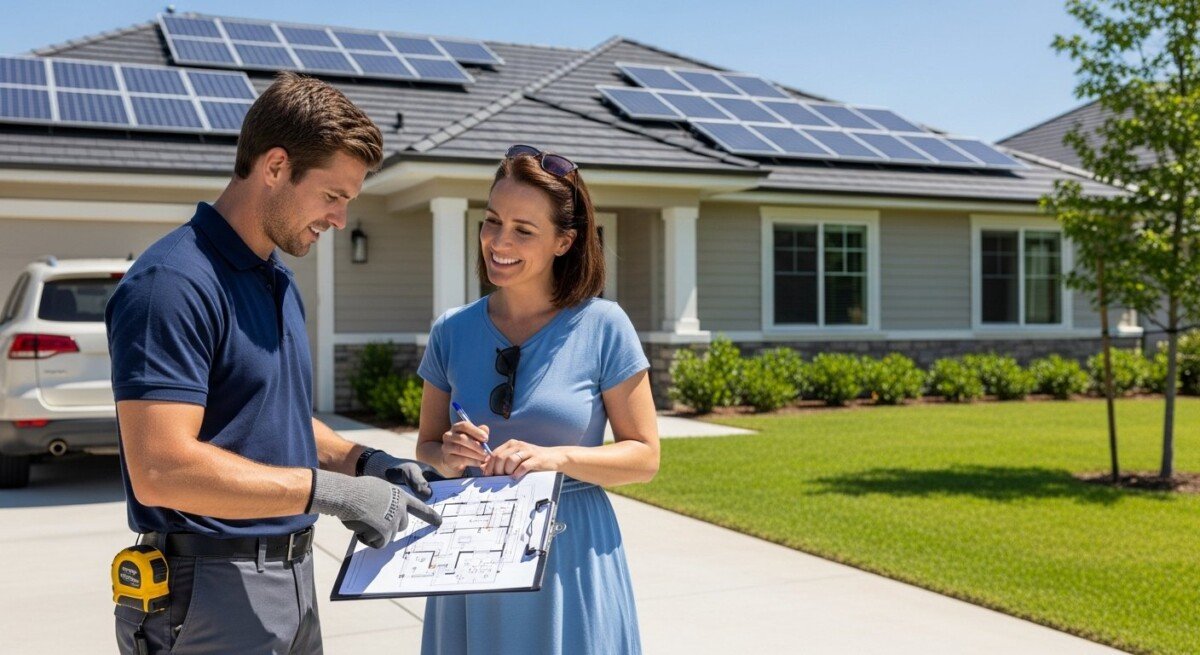
A solar installation quote is a detailed proposal from a professional installer. It outlines the specific plan, equipment, costs, and projected benefits for adding a solar panel system to your home. Think of it as a customized blueprint for your home’s energy future.
This document translates the concept of solar power into tangible numbers for your property. It shows you the upfront investment, the long-term savings, and the exact equipment recommended for your roof and energy usage. Getting multiple quotes is the best way to compare options and ensure you’re getting a fair deal on a high-quality system.
Why Solar Energy Is Becoming More Popular
Homeowners are turning to solar power for several compelling reasons. First and foremost are rising electricity prices, which make a fixed-cost solar system an attractive financial shield. Once your system is paid for, the energy it produces is essentially free for decades, protecting you from future rate hikes.
Beyond the wallet, environmental concerns are a major driver. Solar panels generate clean, renewable energy right on your roof, significantly reducing your household’s carbon footprint. This combination of long-term savings, increased energy independence, and a positive environmental impact makes solar a smart choice for the modern homeowner.
If you are considering solar power for your home, comparing installation quotes can help you understand your options. Request a free solar quote or call to learn more.
Common Questions Homeowners Have About Solar
It’s normal to have questions when considering a significant home upgrade like solar. Many people wonder about the initial cost and how long it will take to see a return on their investment. Others are concerned about whether their roof is suitable or how the system will perform on cloudy days.
Professional installers address these questions in their detailed quotes and consultations. They can explain financing options, calculate your payback period, and assess your roof’s condition and sun exposure. A reliable quote will provide clear answers to these common concerns, giving you confidence in your decision.
- How much does a solar panel system cost?
- Is my roof suitable for solar panels?
- What happens on cloudy days or at night?
- How long will the installation process take?
- Are there financing options or leases available?
- What kind of maintenance do solar panels require?
How Solar Panel Installation Works
The solar installation process is a coordinated series of steps managed by your chosen professional. It begins with a detailed assessment of your home’s energy needs and roof structure. The installer then designs a system tailored to maximize your savings and energy production.
Once you approve the design, the installer handles all the necessary permits and paperwork with your local authorities and utility company. This is a crucial step where their experience ensures everything is done correctly. The physical installation is typically quick, followed by inspections and finally, connecting your system to the grid.
- Home Energy Assessment & Consultation
- Custom System Design & Proposal
- Permitting & Utility Approvals
- Physical Panel & Equipment Installation
- Final Inspections & System Activation
Speaking with experienced installers can help you determine the best solar solution for your home. Compare solar quotes here or call to explore available options.
Signs Your Home May Be Ideal for Solar
While many homes are good candidates for solar, some characteristics make the investment particularly advantageous. The most obvious factor is strong, unobstructed sunlight on your roof for most of the day. A south-facing roof is often ideal, but east and west-facing roofs can also work very well.
Another key indicator is your current electricity bill. If you’re paying a high monthly amount to your utility company, you have more potential savings to capture with solar. Homeowners who plan to stay in their house for the long term will also maximize the financial benefits, as they’ll enjoy decades of reduced energy costs.
- Your roof receives direct sunlight for 4-6+ hours per day.
- You have high or rising monthly electricity bills.
- Your roof is in good condition and has ample, unshaded space.
- You plan to own your home for 5-10 years or more.
- You live in an area with strong net metering policies.
- You are motivated by energy independence and environmental impact.
What Affects Solar Installation Costs
The final price on your solar installation quote is influenced by several key factors. The size of the system, measured in kilowatts (kW), is the primary driver,a larger system to power a bigger home will cost more. The quality and efficiency of the panels and inverters you choose also play a significant role in the total price.
Installation complexity matters too. A simple, single-story roof is easier to work on than a steep, multi-story roof. Most importantly, local and federal incentives dramatically reduce your net cost. The federal solar tax credit, for example, allows you to deduct a significant percentage of the system cost from your federal taxes. For a detailed breakdown of these cost factors, our guide on Understanding Solar Installation Pricing for Homeowners provides a comprehensive look.
The cost of solar installation varies depending on your home and energy needs. Request personalized solar quotes or call to see what options are available.
Tips for Choosing a Reliable Solar Installer
Selecting the right installer is as important as choosing the right equipment. Look for a company with a strong track record of successful installations in your area. They should be properly licensed, insured, and certified by major equipment manufacturers.
Always check customer reviews and ask for references from past clients. A trustworthy installer will provide a clear, detailed warranty covering both the equipment and their workmanship. Most importantly, get quotes from at least three different companies to compare their proposals, equipment brands, and pricing structures side-by-side.
- Verify licenses, insurance, and certifications (like NABCEP).
- Read online reviews and ask for local references.
- Compare the equipment brands and warranties offered.
- Ensure they provide a detailed, written contract.
- Get multiple quotes to ensure competitive pricing and service.
- Ask who will handle the permitting and interconnection process.
Long-Term Benefits of Installing Solar Panels
The most immediate benefit of going solar is watching your electricity bills shrink, often by 50% to 100%. Over 20 to 30 years, this adds up to tens of thousands of dollars in savings, effectively paying for the system many times over. Solar panels also increase your home’s market value, with studies showing buyers are willing to pay a premium for a home with solar.
Beyond finances, solar power provides remarkable energy independence. You become your own power producer, insulating yourself from grid outages and unpredictable rate increases. Finally, you gain the satisfaction of significantly reducing your household’s carbon emissions, contributing to a cleaner environment for future generations. For homeowners in specific regions, like those exploring solar installation in California, local incentives can make these long-term benefits even more attractive.
FAQs
How long do solar panels last?
High-quality solar panels are built to last. Most manufacturers offer performance warranties guaranteeing 80-90% production for 25 to 30 years. With minimal maintenance, the system itself can continue producing electricity for decades beyond that, making it a truly long-term investment for your home.
Will solar panels work during a power outage?
Standard grid-tied solar systems automatically shut off during a power outage for safety reasons, to protect utility workers. However, if you pair your solar system with a home battery backup, you can keep your lights on and essential appliances running. This setup provides true energy independence and security.
How much maintenance do solar panels require?
Solar panels require very little maintenance. They have no moving parts and are designed to withstand the elements. Occasional cleaning with water to remove dust, pollen, or bird droppings is usually sufficient. Your installer will also monitor system performance remotely to ensure everything is working optimally.
What is net metering?
Net metering is a billing arrangement with your utility company. When your solar panels produce more electricity than your home uses, the excess is sent back to the grid. Your meter literally runs backwards, giving you credit for that power. You then use these credits to draw power from the grid at night or on cloudy days.
Can I finance a solar panel system?
Yes, several financing options are widely available. These include solar loans, which allow you to own the system with low monthly payments, and solar leases or Power Purchase Agreements (PPAs), where a third party owns the system and sells you the power. Loans are popular as they allow you to claim all incentives and increase your home’s value.
How do I know what size system I need?
A professional installer will determine the ideal system size by reviewing 12 months of your electricity bills. This analysis shows your annual energy consumption in kilowatt-hours (kWh). They then design a system that will offset a significant portion, or even all, of that usage, factoring in your roof’s size and sun exposure.
Taking the time to understand and compare solar installation quotes is the most important step in your solar journey. It empowers you to make an informed decision that aligns with your budget, energy goals, and values. By requesting multiple detailed proposals, you can confidently choose a system that will provide clean energy, significant savings, and peace of mind for decades to come. Start your path to energy independence today by exploring your options.
Learn more about Solar Panel Installation and Repair for guides, costs, and what to expect.
Compare Solar Panel Installation and Repair Pros Near You
Enter your ZIP code to compare top-rated local professionals and request free quotes.