
How to Find Trusted Solar Companies Near Me in 2026
Learn how to find trusted solar companies near me, compare quotes, avoid scams, and maximize your savings with this practical 2026 guide.

By Brandon Moore
Learn more about Solar Panel Installation and Repair for guides, costs, and what to expect.
Compare Solar Panel Installation and Repair Pros Near You

Enter your ZIP code to compare top-rated local professionals and request free quotes.
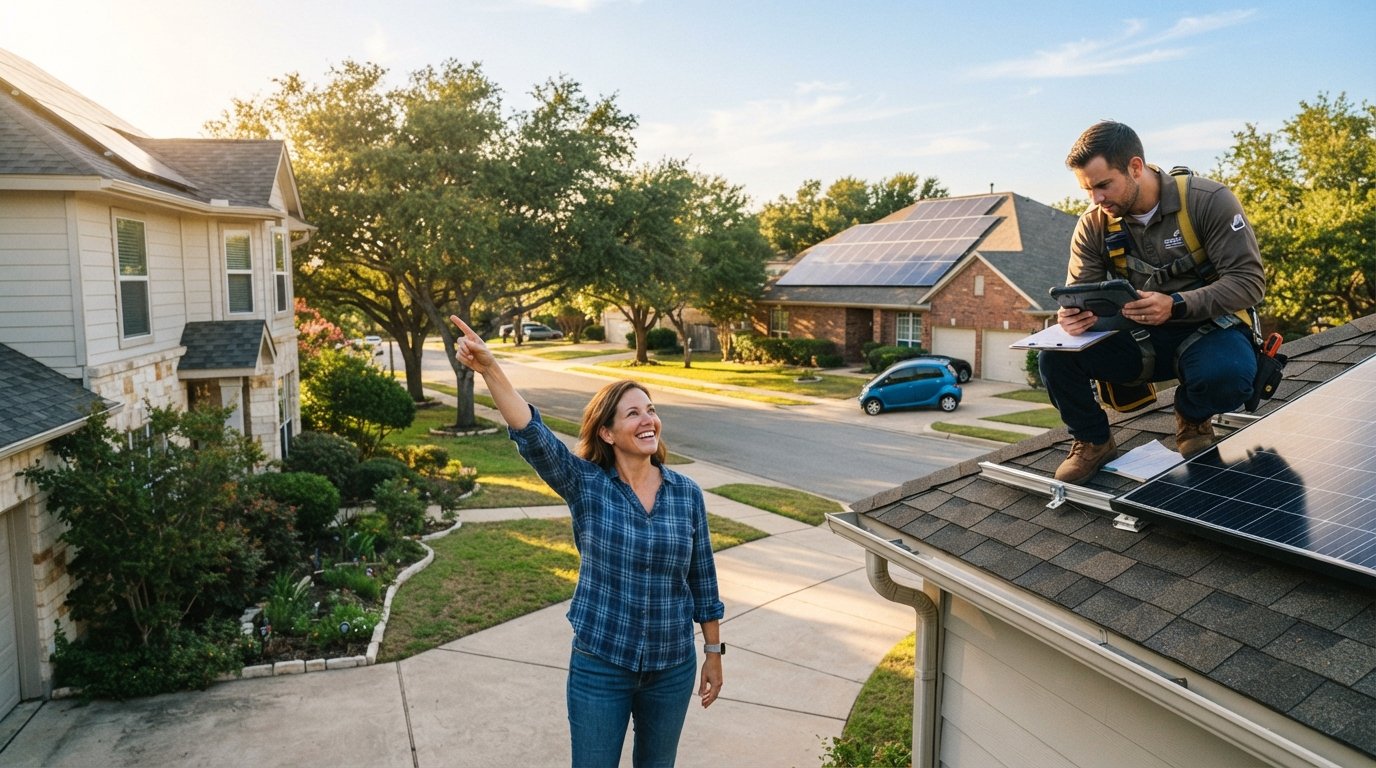
When your electricity bill climbs higher each summer and your neighbor's roof glows with new panels, the idea of going solar starts to feel less like a distant dream and more like a smart financial move. But the real challenge is not deciding whether to go solar; it is figuring out which installer to trust. A quick search for solar companies near me returns dozens of names, each promising the lowest price and the best service. The truth is that the quality of your solar experience depends almost entirely on the company you choose. The wrong installer can leave you with an underperforming system, confusing financing terms, or a roof that leaks. The right one can cut your energy bills by 70 percent or more and add real value to your home.
This guide is designed to help you cut through the noise and find a solar partner who is licensed, insured, and genuinely invested in your long-term savings. We will walk through the different types of solar providers, the questions you must ask before signing anything, and how to use free quote services to your advantage. By the end, you will have a clear action plan to compare local options with confidence and avoid the pitfalls that trip up first-time solar shoppers.
Why the Right Solar Installer Matters More Than the Panels
Many homeowners assume that solar panels are the main variable in a successful installation. In reality, the equipment is only part of the equation. The design, the mounting system, the electrical work, and the permitting process all depend on the installer's expertise. A reputable company will conduct a thorough site assessment, review your historical energy usage, and design a system that fits your roof's unique angles and shading. They will also handle the paperwork for permits and net metering, which can be overwhelming for a homeowner to navigate alone.
Poor installation quality is the leading cause of solar system failures, roof damage, and safety hazards. Loose connections can cause fires, and improper flashing can lead to leaks that ruin your ceiling and drywall. Even if the panels themselves are top-tier, a sloppy installation will undermine their performance and your peace of mind. That is why it is essential to vet each candidate thoroughly, not just compare prices.
When you search for solar companies near me, you are really looking for a partner who will stand behind their work for decades. The best installers offer a workmanship warranty that covers labor for 25 years or more, and they respond quickly when something goes wrong. They also provide transparent contracts that spell out the total cost, the equipment specifications, and the expected energy production. If a company hesitates to put its promises in writing, consider that a red flag.
Types of Solar Companies: Understanding Your Options
Not all solar providers operate the same way. Some are national franchises with massive marketing budgets, while others are local shops with a deep understanding of your city's permitting rules. Before you request quotes, it helps to know the landscape.
The three most common types are national installers, regional players, and local electricians or solar specialists. National companies often have lower equipment costs because they buy in bulk, but their customer service can be inconsistent because they subcontract installation to third-party crews. Regional companies strike a balance between scale and local knowledge, and they usually have a permanent team of in-house installers. Local solar specialists are often the most flexible and responsive, but they may have limited availability and fewer resources for large projects.
Here are the key differences to weigh when you evaluate each type:
- National installers: Lower upfront pricing, strong warranty programs, but potential for subcontracted labor and slower service response.
- Regional companies: Better local reputation, in-house crews, and a solid track record in your state's incentive programs.
- Local specialists: Personalized attention, quick turnaround, and deep knowledge of local utility requirements, but limited capacity for big jobs.
Your choice should also depend on your roof type, your budget, and how quickly you want the system live. For example, a complex roof with multiple angles and skylights may require a local specialist who can make custom mounting adjustments onsite. A simple south-facing roof might be a perfect fit for a national installer with a streamlined process.
Regardless of which type you choose, always verify that the company is licensed in your state and carries general liability and workers' compensation insurance. Ask for their license number and check it with your state's contractor licensing board. A legitimate installer will not hesitate to provide this information.
How to Evaluate Solar Quotes Like a Pro
Once you have narrowed your list to three or four candidates, request a detailed quote from each one. Do not settle for a one-page estimate that only lists the system size and the total price. A professional quote should include the exact panel model, inverter type, mounting system, and the estimated annual production in kilowatt-hours (kWh). It should also break out the cost per watt, which is the industry standard for comparing prices across different system sizes.
The average cost per watt for residential solar in the United States is between $2.50 and $3.50 before incentives. A quote that falls far below that range may indicate used equipment or a company cutting corners. A quote that is significantly higher should come with a clear justification, such as a complex roof or premium microinverters. Use these numbers to compare apples to apples, and do not be afraid to negotiate.
You should also ask about the financing structure. If you are considering a solar loan, request the annual percentage rate (APR), the loan term, and any prepayment penalties. If you are looking at a lease or power purchase agreement (PPA), ask about the annual escalator clause, which determines how much your monthly payment will increase each year. A 2.9 percent escalator might seem small, but over 25 years it can add thousands of dollars to your total cost.
To make the comparison easier, create a simple spreadsheet with these columns for each quote: system size (kW), panel brand and model, inverter type, estimated annual production (kWh), total cost before incentives, cost per watt, warranty terms, and the installer's license number. This will help you see beyond the glossy sales pitch and focus on the numbers that matter.
Our guide on finding solar companies near me for energy bill savings provides a step-by-step checklist that you can use during this evaluation process. It includes the exact questions to ask each installer and a printable comparison sheet.
Red Flags to Avoid When Choosing an Installer
Solar scams are rare, but they do exist, and they usually target homeowners who are desperate to cut their energy costs. Being aware of the warning signs can save you from a costly mistake.
The most common red flag is a company that pressures you to sign a contract on the spot, often with a limited-time discount that expires in 24 hours. Legitimate installers will give you time to compare quotes and think through your decision. Another red flag is a door-to-door salesperson who claims to represent your utility company and asks to see your electricity bill. Your utility does not sell solar panels, and anyone who pretends otherwise is likely running a scam.
Here are other warning signs to watch for:
- No physical address or only a P.O. box: A reputable company should have a local office where you can meet them in person.
- Request for a large upfront deposit: Most solar projects require only a small deposit or nothing until the system is installed.
- High-pressure sales tactics: They may claim that a federal tax credit is ending soon or that your utility is about to change its net metering policy, pushing you to act without research.
- Unverifiable reviews: If all reviews are five stars and none mention specific details, they may be fake.
- Unwillingness to provide customer references: A confident installer will happily share contact information for past clients.
If you encounter any of these red flags, cross that company off your list and move on. There are plenty of reputable installers who will treat you with respect and provide transparent information. Remember that your goal is a long-term partnership, not a quick sale.
Using Free Quote Services to Simplify Your Search
One of the most efficient ways to find vetted solar companies near me is to use a free quote service that pre-screens installers on your behalf. These services, like FreeSolarPowerQuotes, connect you with up to three qualified local providers based on your property details and energy needs. Instead of spending hours on the phone with different sales reps, you receive a single set of tailored quotes that you can compare side by side.
The key advantage of this approach is that the service has already reviewed each installer's license, insurance, and customer reviews. This removes the guesswork and lowers the risk of falling for a scam. You also avoid the hassle of dealing with door-to-door salespeople or cold calls. The service simply matches you with providers who are actively working in your area and have a track record of satisfied customers.
When you request quotes through such a service, be prepared to provide your address, your monthly electricity bill, and a rough estimate of your roof's size and shading. This information allows the matching algorithm to filter for installers who are best suited to your situation. After you receive the quotes, you can use the evaluation framework from the previous section to make your final decision.
It is important to understand that these quote services are not recommending a specific company; they are simply facilitating the introduction. You still have the final say and should conduct your own due diligence. However, the pre-screening process significantly reduces the number of unqualified or risky options you have to filter out.
For more detailed advice on comparing online providers, our guide on whether online solar companies are reliable explains what to look for in a digital-first installer and how to verify their credentials before you commit.
State-by-State Considerations: Texas, Florida, and Arizona
Solar regulations and incentives vary significantly from state to state, and the best installer for you will depend on where you live. In Texas, the market is largely deregulated, which means you can choose your electricity retailer. This gives you the flexibility to select a plan that pairs well with solar, such as one that offers high export rates for the excess power your panels produce. However, Texas also experiences extreme heat, so you need an installer who uses panels rated for high temperatures and who designs the system with proper airflow to maintain efficiency.
Florida, on the other hand, has a strong net metering policy that credits you for the energy your panels send to the grid. This makes solar financially attractive, but the state also has strict building codes due to hurricane risk. Your installer must use wind-rated mounting systems and comply with local inspection requirements. A company that is not familiar with Florida's specific codes could fail inspections and delay your project by weeks.
Arizona is known for its abundant sunshine, but it also has high ambient temperatures that can reduce panel efficiency. The state offers a 25 percent tax credit (up to $1,000) on top of the federal credit, which lowers your net cost considerably. However, the local utility companies have different interconnection rules, and some have reduced their net metering rates in recent years. A local installer who deals with these utilities daily will know how to maximize your savings under the current tariff.
No matter which state you live in, always confirm the current incentive amounts with official sources, as programs can change. The federal Investment Tax Credit (ITC) is still 30 percent through 2032, but state and utility incentives vary. Your installer should provide a detailed breakdown of all applicable rebates and credits as part of your quote.
Financing Options: Cash, Loans, Leases, and PPAs
The way you pay for your solar system has a major impact on your long-term savings. Cash purchases offer the best return on investment because you own the system outright and avoid interest charges. The average residential system costs between $15,000 and $25,000 before incentives, which is a significant upfront expense, but the payback period is typically 5 to 8 years. After that, your electricity is essentially free for the remaining life of the system, which is 25 years or more.
Solar loans allow you to spread the cost over 10 to 25 years, making solar accessible without a large upfront payment. Many lenders offer 0 percent APR promotions for the first 12 to 18 months, but the interest rate after that can be high. Look for loans with a fixed APR and no prepayment penalties, and calculate your total interest over the loan term to ensure you still save money compared to staying on the grid.
Leases and PPAs require little to no money down, but you do not own the system. Instead, you pay a monthly fee or purchase the electricity the panels produce at a set rate. These options can lower your monthly bill in the first year, but they often include annual escalators that increase your payments over time. In the long run, you will save less than with a cash purchase or loan, but you also avoid the risk of system maintenance costs, which the solar company typically covers.
When you compare financing options, focus on the total cost of ownership over 25 years. A lease with a 2.9 percent escalator may seem cheaper initially, but it can cost you $30,000 or more in cumulative payments. A loan with a 6 percent APR might have higher monthly payments, but you will own the system and can sell your home with the panels as a valuable asset. Our article on finding the best solar companies for homeowner savings includes a comparison table that shows how these options stack up over time.
Preparing Your Home for Installation Day
Once you have chosen your installer and signed the contract, the real work begins. A typical residential installation takes one to three days, depending on the system size and your roof's complexity. Before the crew arrives, you should clear the area around your electrical panel and any pathways to the roof. Move outdoor furniture, potted plants, and vehicles away from the work zone. This not only speeds up the process but also prevents damage to your belongings.
Ask your installer for a detailed schedule and a list of what to expect on each day. Day one usually involves setting up scaffolding, installing the mounting rails, and laying out the panels. Day two focuses on wiring, connecting the inverter, and performing the electrical work. Day three is for final inspections, utility interconnection paperwork, and a walkthrough with you to explain the monitoring system.
You should also be present during the final inspection to ask questions about maintenance, cleaning, and how to read your production data. Most systems come with a monitoring app that shows your daily energy generation and your home's consumption. Understanding these graphs will help you spot any performance issues early and contact your installer if something looks off.
After the system is live, your utility may require a new meter or a net metering agreement. Your installer should handle this paperwork, but it is wise to follow up after a few weeks to confirm that your account is being credited correctly. If you notice that your production is consistently lower than the estimate, contact your installer immediately. They may need to adjust the panel tilt or replace a faulty inverter under warranty.
Long-Term Maintenance and Warranty Support
Solar panels are remarkably durable and require very little maintenance. Rain usually washes away most dust and debris, but in arid climates like Arizona, you may need to hose them down a couple of times a year to keep them efficient. If you live in an area with heavy snow, the panels will naturally shed snow as they heat up, but you should never climb onto your roof to clear them yourself. The risk of injury is not worth the small boost in production.
Your installer's warranty is your safety net for the first 25 years. Most manufacturers offer a 25-year performance warranty that guarantees the panels will still produce at least 80 percent of their rated capacity by the end of the term. The installer's workmanship warranty covers the labor and mounting hardware, so if a connection fails or a panel comes loose, they will fix it at no cost.
It is crucial to keep all your documentation in a safe place, including the contract, the warranty certificates, and the monitoring login information. If you ever sell your home, these documents will be valuable to the buyer and can increase your property's resale value. Some solar warranties are transferable, but you must notify the manufacturer or installer within a certain time frame to activate the transfer.
If you ever need to file a warranty claim, contact your installer first. They will handle the manufacturer's warranty process on your behalf, which is much easier than dealing with a factory in another state. A responsive installer is worth their weight in gold when a component fails, so choose a company that has been in business for at least a decade and has a solid reputation for after-sales support.
Making Your Final Decision: A Step-by-Step Checklist
By now, you have a clear picture of what to look for in a solar installer. To help you make the final call, here is a concise checklist that covers the essential steps:
- Research at least three local installers and check their licenses, insurance, and Better Business Bureau ratings.
- Request detailed quotes that list equipment, cost per watt, and estimated production.
- Ask for and contact at least two customer references who have had similar installations.
- Compare financing options, focusing on total cost over the system's lifetime.
- Read the contract carefully, including the warranty terms and any penalties for cancellation.
- Confirm that the installer will handle all permits, inspections, and utility paperwork.
- Schedule the installation and prepare your property as described above.
- Monitor your system's performance after activation and follow up on any discrepancies.
If you feel overwhelmed by the process, remember that you do not have to do it alone. Free quote services exist to streamline the search and connect you with pre-vetted professionals. The key is to stay informed and never let pressure tactics push you into a decision you are not comfortable with.
Your journey to solar should be an exciting investment in your home and your future. With the right installer, you will enjoy lower energy bills, increased property value, and the satisfaction of generating your own clean power. Take your time, ask the right questions, and trust your instincts. The effort you put into finding the perfect solar partner will pay off for decades to come.
As you compare your options, keep in mind that the cheapest quote is not always the best value. A slightly higher upfront cost may include premium equipment, a longer warranty, and a company that will actually answer the phone when you need them. Your goal is not merely to save money today, but to maximize your savings over the entire life of your system. By following the guidance in this article, you are well on your way to achieving that goal.