You open your monthly electric bill and wince. The number keeps climbing, and you wonder if there’s a way to stop the trend. Like many homeowners, you’ve heard that solar panels can lower those costs and reduce your reliance on the grid. But before you commit, you need to know how to estimate solar system needs , the right size, cost, and payback period for your home.

“Ready to take control of your energy costs? Call 833-793-7166 or visit Estimate Your Solar Needs to schedule your solar consultation and start saving today.”

Learning how to estimate solar system needs doesn’t require an engineering degree. It starts with understanding your energy usage, roof space, and local sunlight. This guide walks you through each step in clear, simple language so you can make an informed decision and compare installation quotes with confidence.

Understanding how to estimate solar system needs

Estimating your solar system needs means calculating the size of a solar array that will cover most or all of your electricity use. The goal is to match your home’s energy consumption with the amount of power the panels can produce. This process is the foundation of any successful solar installation.

To start, look at your past utility bills. Find the average kilowatt-hours (kWh) you use per month. Then, divide that number by the average peak sun hours in your area , typically four to six hours per day. This gives you a rough system size in kilowatts (kW). For example, a home using 900 kWh per month in a location with five peak sun hours would need roughly a 6 kW system.

Why are more homeowners researching this? Because solar technology has become more affordable and efficient. With federal tax credits and state incentives, the upfront cost is lower than ever. Plus, rising electricity rates make solar an increasingly smart financial move. For more context on what drives pricing, see our article on how solar system pricing is calculated.

Key factors in your estimate

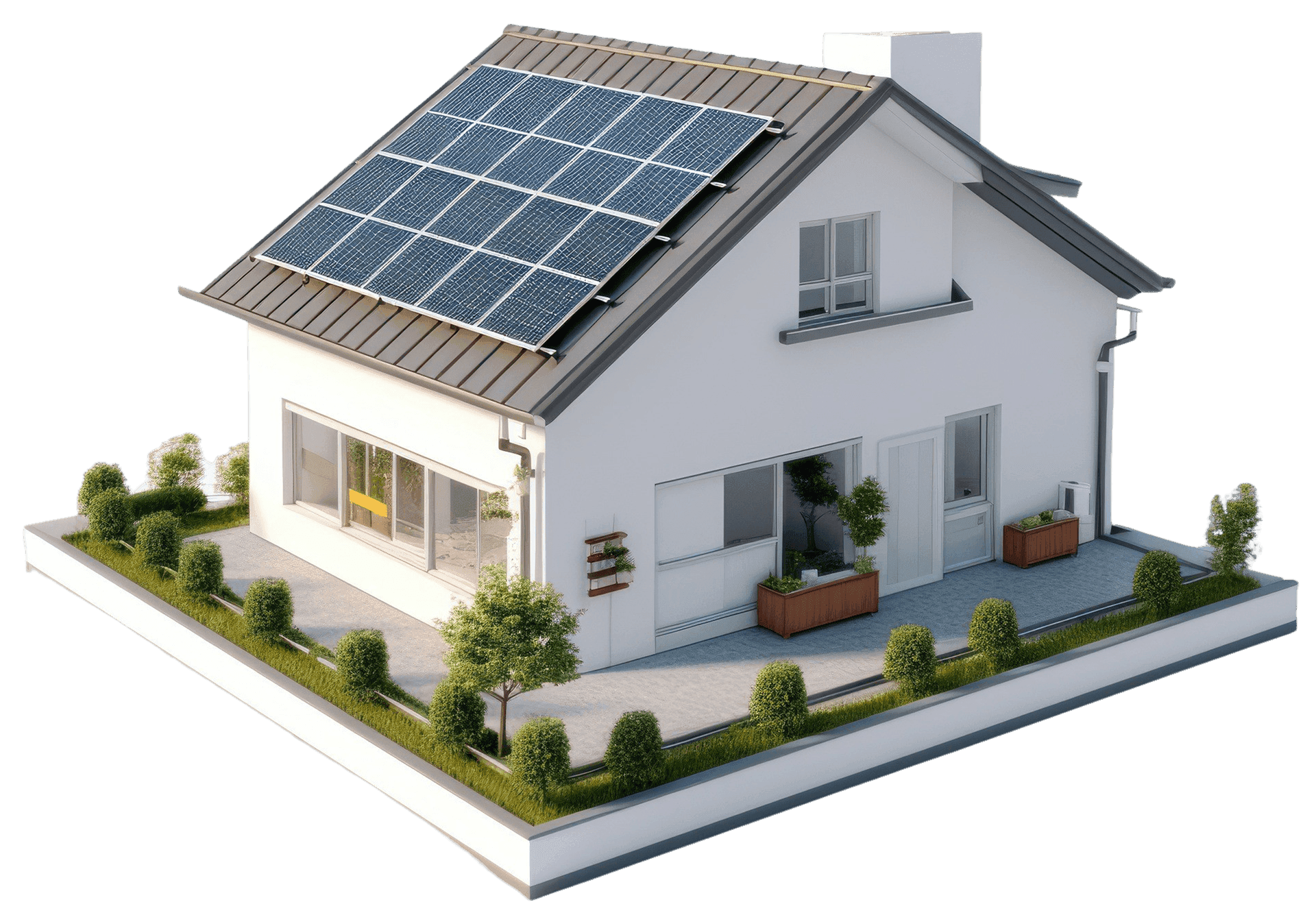
Three variables shape your solar estimate: energy usage, roof orientation, and panel efficiency. A south-facing roof with little shade captures the most sunlight. High-efficiency panels produce more power in less space, which is useful if your roof area is limited.

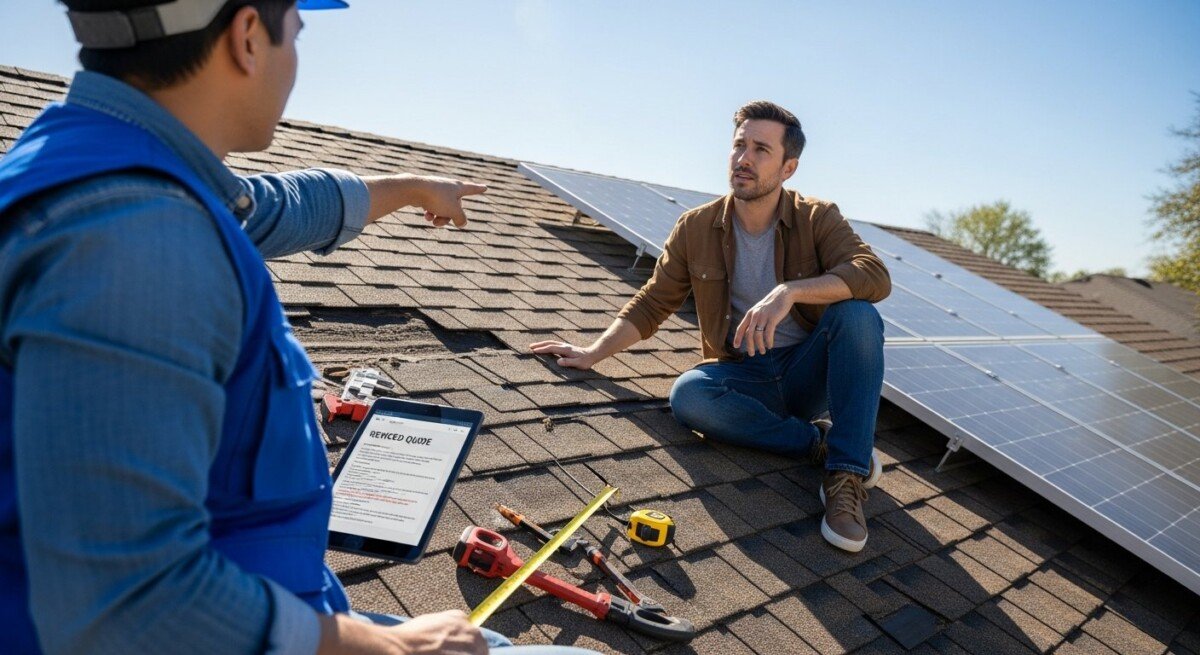
Professional installers use software to refine these calculations. They account for local weather patterns, panel degradation over time, and seasonal changes in sunlight. That’s why getting multiple quotes is essential , each installer may suggest a slightly different system size based on their tools and assumptions.

Why Solar Energy Is Becoming More Popular

Solar adoption has surged because it addresses two pain points: high utility bills and environmental concerns. Homeowners are tired of unpredictable rate hikes. A solar system locks in a large portion of your electricity costs for decades, offering stability in an uncertain market.

Environmental benefits also drive interest. Solar power produces no greenhouse gases during operation. By switching, you shrink your carbon footprint and contribute to cleaner air. Many families feel good knowing their home runs on renewable energy.

Long-term savings are compelling. While the initial investment can be several thousand dollars, most systems pay for themselves in six to ten years. After that, electricity from your panels is essentially free. Pair that with a 30% federal tax credit, and the financial case becomes hard to ignore.

If you are considering solar power for your home, comparing installation quotes can help you understand your options. Request a free solar quote or call to learn more.

Common Questions Homeowners Have About Solar

Before going solar, most homeowners ask about cost, roof suitability, and performance. These are valid concerns. A typical residential system costs between $15,000 and $25,000 before incentives, but the final price depends on your home and energy needs.

Roof suitability is another big question. Panels work best on roofs that are in good condition and face south, east, or west. If your roof needs replacement soon, it’s wise to do that before installing panels. Shade from trees or nearby buildings can also reduce output, but microinverters or power optimizers can help mitigate losses.

  • Will solar work during cloudy days or winter?
  • How long does installation take?
  • Do I need a battery for backup power?
  • What happens if my panels produce more electricity than I use?
  • How do I maintain the system?
  • Can I add more panels later?

How Solar Panel Installation Works

Solar installation is a straightforward process when handled by experienced professionals. It typically takes one to three days for the physical installation, but the entire timeline , from quote to activation , spans several weeks due to permits and utility approvals.

  1. Home energy assessment: An installer reviews your bills and inspects your roof to determine the right system size.
  2. System design: Using your data, they create a custom layout showing where panels will go and how they’ll connect.
  3. Permits and approvals: The installer files paperwork with your local government and utility company.
  4. Panel installation: Crews mount racking, attach panels, and wire the system to your electrical panel.
  5. System activation: After inspection and utility approval, your system is turned on and starts generating power.

Speaking with experienced installers can help you determine the best solar solution for your home. Compare solar quotes here or call to explore available options.

Signs Your Home May Be Ideal for Solar

Not every home is a perfect candidate, but many are. If you own your home and your roof gets good sun exposure, you’re likely a strong candidate. Solar works best on roofs that are unshaded for most of the day and have at least 300 square feet of usable space.

High electricity bills are another clear sign. If you pay more than $100 per month, solar can likely reduce your costs. Also, if you plan to stay in your home for at least five to seven years, you’ll have time to recoup the investment through savings.

“Ready to take control of your energy costs? Call 833-793-7166 or visit Estimate Your Solar Needs to schedule your solar consultation and start saving today.”
  • Your roof faces south, east, or west with little shade.
  • Your monthly electric bill is consistently above $100.
  • You have at least 300 square feet of clear roof space.
  • Your roof is less than 10 years old or in good condition.
  • You plan to live in your home for several more years.
  • Your state or utility offers incentives for solar installation.

What Affects Solar Installation Costs

Solar costs vary widely based on system size, panel quality, and installation complexity. A larger system costs more upfront but can offset more of your electricity usage. High-efficiency panels are more expensive but generate more power per square foot, which is valuable if roof space is tight.

Installation complexity also matters. A simple roof with easy access and standard shingles is cheaper to work on than a tile roof or a complex multi-story setup. Local incentives and net metering policies further influence your net cost. Some states offer additional rebates or performance-based incentives that lower the price.

To get a better idea of what a specific system might cost, check out our breakdown of 8 kW solar system cost. That guide explains how size, equipment, and location affect the final price.

The cost of solar installation varies depending on your home and energy needs. Request personalized solar quotes or call to see what options are available.

Tips for Choosing a Reliable Solar Installer

Choosing the right installer is just as important as choosing the right equipment. A reliable company will handle permits, inspections, and paperwork, saving you time and stress. They’ll also stand behind their work with solid warranties.

Start by checking each installer’s experience and credentials. Look for companies that are licensed, insured, and certified by organizations like the North American Board of Certified Energy Practitioners (NABCEP). Read customer reviews on platforms like Google and the Better Business Bureau to gauge satisfaction.

  • Review the installer’s years in business and number of completed projects.
  • Check warranty terms , both for the panels (typically 25 years) and workmanship (at least 10 years).
  • Read recent customer reviews and ask for references.
  • Compare at least three quotes to see pricing and system design differences.
  • Ask about monitoring options so you can track your system’s performance.
  • Ensure the installer handles all permitting and utility coordination.

Long-Term Benefits of Installing Solar Panels

The most immediate benefit is lower electricity bills. Once your system is paid off, the power it generates is free. Over 25 to 30 years, that can add up to tens of thousands of dollars in savings, depending on your utility rates and system size.

Solar panels also increase your home’s value. Studies show that homes with solar sell for a premium compared to similar homes without it. Buyers appreciate the lower operating costs, making your property more attractive on the market.

Beyond finances, you gain energy independence. You’re less affected by grid outages and rate hikes. And you’re doing your part to reduce carbon emissions, which benefits everyone. It’s a practical investment that pays dividends in multiple ways.

Frequently Asked Questions

How many solar panels do I need for my home?

The number depends on your energy usage and panel wattage. A typical home needs between 15 and 25 panels. To estimate, divide your monthly kWh usage by 30 and then by the daily peak sun hours in your area.

What size solar system do I need for a 2000 square foot house?

Square footage is less important than energy consumption. A 2000-square-foot home with average efficiency might need a 5 to 8 kW system. Review your electric bills for a more accurate number.

How long does it take for solar panels to pay for themselves?

Most homeowners see payback in six to ten years. This timeline depends on your electricity rates, system cost, available incentives, and how much sun your roof receives.

Do solar panels work in cloudy or cold climates?

Yes, solar panels still generate electricity on cloudy days, though at reduced output. Cold temperatures actually improve panel efficiency. Germany, a cloudy country, is a global leader in solar energy.

What maintenance do solar panels require?

Solar panels require very little maintenance. Rain usually keeps them clean. You may need an occasional inspection or cleaning in dusty areas. Most systems come with monitoring software to alert you of issues.

Can I go completely off-grid with solar panels?

It’s possible but expensive. You would need a large battery bank to store power for nighttime and cloudy days. Most homeowners stay connected to the grid and use net metering to sell excess power back to the utility.

What is net metering and how does it work?

Net metering credits you for excess electricity your panels send to the grid. When your system produces more than you use, the meter runs backward. You can draw those credits later when your panels aren’t generating enough.

Are there government incentives for solar installation?

Yes, the federal government offers a 30% tax credit on the cost of your solar system. Many states and utilities add their own rebates or incentives. These can significantly lower your out-of-pocket cost.

Understanding how to estimate solar system needs is the first step toward lower bills and energy independence. By reviewing your energy use, roof conditions, and local incentives, you can make a confident choice. The best way to ensure you get the right system at a fair price is to compare quotes from multiple installers. Start exploring your solar options today.

“Ready to take control of your energy costs? Call 833-793-7166 or visit Estimate Your Solar Needs to schedule your solar consultation and start saving today.”
Benjamin Taylor
Benjamin Taylor

I'm a writer and researcher focused on making solar energy clear and accessible for homeowners and businesses across the United States. On this site, I cover everything from how solar panels work and what they cost to the latest federal tax credits and state incentives that can make going solar more affordable. My background includes years of following renewable energy policy and installation trends, which helps me break down complex topics like net metering, financing options, and ROI calculations into practical guidance. I'm committed to giving you straightforward, no-hype information so you can compare your options and decide if solar is right for your property.

Read More